Song Meaning
{"song_id": 14246020, "meaning": "Christine McVie's \"One in a Million\" isn't just a love song; it's a masterclass in romantic projection, dripping with the melancholic awareness of opportunity squandered. The lyrics, delivered with McVie's signature blend of warmth and world-weariness, paint a vivid picture of a woman observing another's relationship with aching envy. The core message revolves around the recipient's apparent failure to appreciate a partner perceived as exceptionally valuable. Phrases like \"You treat him badly and you better not\" and \"You oughta make the best of what you got\" carry a palpable sense of frustration and an underlying question: *Why can't you see what you have?*
The song meaning deepens upon realizing the narrator isn't merely offering friendly advice; she's confessing her own desires. The lines, \"You got everything that I wish I had\" and the desperate repetition of \"how I want, I want, I want him\" expose the raw nerve of longing. This transforms the song from a simple cautionary tale into a vulnerable admission of unrequited affection or, perhaps, a past mistake. It’s a perspective often overlooked in popular music, focusing not on the thrill of the chase but on the quiet agony of watching someone else possess what you crave.
Ultimately, \"One in a Million\" resonates because it taps into the universal fear of regret. McVie highlights the precariousness of love, warning that complacency can lead to loss (\"You better love him while you can / Or somebody's gonna steal that man\"). The warning transcends simple romantic advice, becoming a broader commentary on the human tendency to undervalue the present until it becomes the past. The song's enduring power lies in its ability to evoke empathy for both the oblivious recipient and the yearning observer, trapped in a silent drama of missed connections and unspoken desires. The lyrics analysis reveals the narrator's internal conflict, torn between wanting to shake the other woman into awareness and desperately wanting the man for herself."}
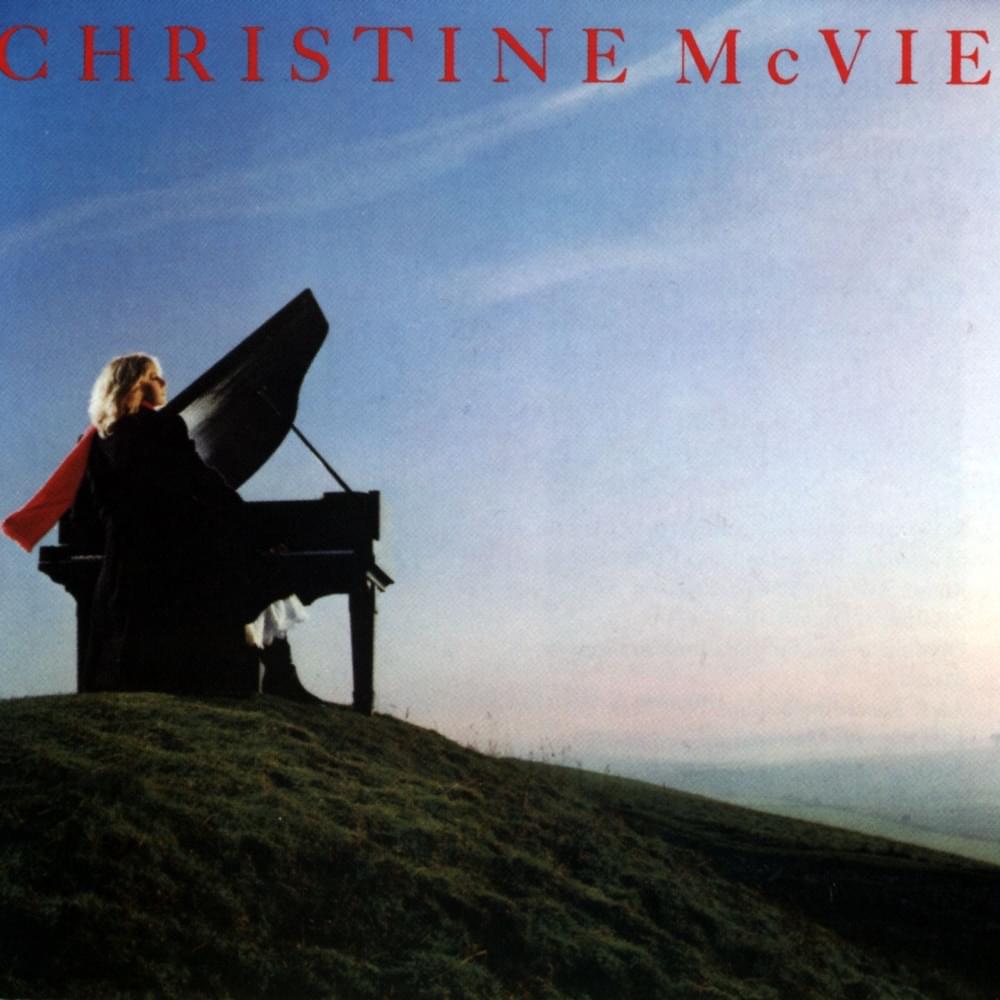
 View Artist