Song Meaning
The lyrics paint a picture of a dangerous, all-consuming love affair that begins under the cloak of night. The narrator is drawn in by a figure who follows them, offering a hand that feels good, a warmth that protects. This initial intimacy, however, quickly reveals a darker side. The phrase "Me partió el labio con desdén" (He/She split my lip with disdain) introduces a jarring violence, immediately reframed as "esto es amor también" (this is love too), establishing a twisted definition of affection.
The central tension lies in the narrator's desperate, almost suicidal, obsession with this destructive love. The line "Muero si no le vuelvo a ver" (I die if I don't see him/her again) underscores the depth of this fixation. This love is contrasted with a past ideal, "Bajo el sol, nuestro amor era un diamante" (Under the sun, our love was a diamond), suggesting a lost purity or a different, healthier relationship that has since soured. The repeated demand, "Tendrás que volver a nacer / Para ser mi amante" (You will have to be born again / To be my lover), highlights the impossibility of recapturing what was lost or the unlikelihood of the lover changing.
The lyrics masterfully employ the recurring motif of "al anochecer" (at dusk/nightfall), linking the dangerous allure and violent encounters to the darkness. This setting amplifies the sinister atmosphere, especially when the lover is associated with "El diablo es pérfido y puntual" (The devil is perfidious and punctual). The imagery of a "puñal" (dagger) that will "Relucirá si tú te vas" (Gleam if you leave) is a stark threat, a promise of violence tied to the narrator's potential departure. The narrator's flight to another city, only to find the lover's "sombra se alarga sin fin" (shadow lengthens endlessly), shows the inescapable nature of this toxic connection.
This song resonates because it captures the intoxicating yet devastating pull of a love that is both desired and feared. The narrator's internal conflict—knowing this love is destructive yet unable to break free—is palpable. The stark, almost brutal honesty in describing the violence alongside declarations of love creates a disorienting emotional landscape that feels disturbingly real, mirroring how unhealthy attachments can warp one's perception of affection and safety.
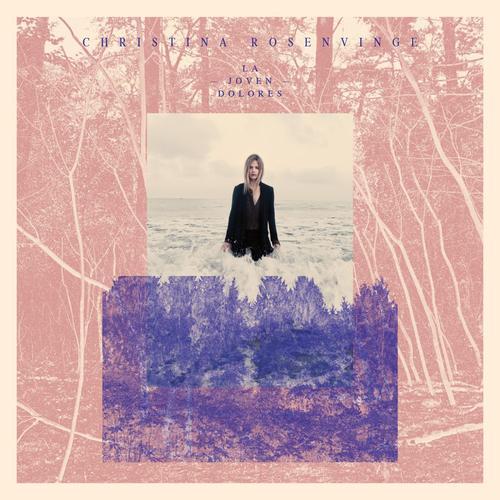
 View Artist