Song Meaning
The lyrics paint a disorienting picture of modern existence, opening with a stark question about isolation in a vast, empty space. This initial feeling of being adrift is amplified by a series of jarring, almost surreal images: sharp knives with nothing to cut, a crucified Christ, and cancer. These aren't just random, dark thoughts; they establish a tone of profound unease and a sense of being surrounded by potential harm or decay with no outlet or resolution.
The central tension emerges in the contrast between the observer and the observed, the passive and the acted-upon. The narrator, 'someone like me,' can only watch, while 'someone like you' is confined to being watched. This dynamic suggests a societal or personal paralysis, where agency is lost, and individuals are reduced to spectators or objects of gaze. The repeated, almost desperate refrain of "¿Qué se siente?" (What does it feel like?) underscores this lack of connection and the inability to truly experience or comprehend the surrounding chaos.
The writing crafts a potent sense of alienation through its juxtaposition of the mundane and the grotesque. We see "apparatus to be thinner" and "artificial laughter" alongside children hanging upside down to grow and the stark reality of "videogames, colored bombs" leading to "real deaths." This creates a disturbing commentary on how superficiality and manufactured realities mask genuine suffering and violence. The intrusion of "rock 'n' roll on the news" and the final, almost taunting "Look who's coming to dinner tonight" further blurs the lines between entertainment and catastrophe, suggesting a culture desensitized to its own destruction.
Ultimately, these lyrics resonate because they capture a feeling of overwhelming absurdity and powerlessness. The relentless questioning of "¿Qué se siente?" becomes a cry against a world that offers little tangible feeling or meaning, only a spectacle of decay, superficiality, and violence. The writing forces the listener to confront this disquieting emptiness, making the lack of a clear answer the most impactful statement of all.
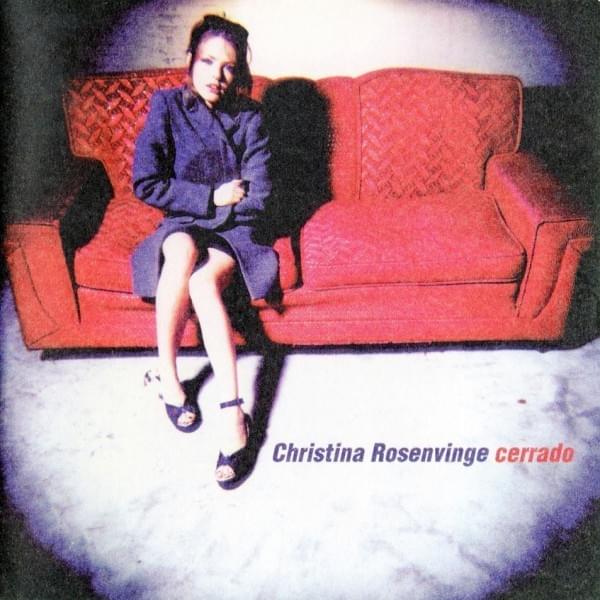
 View Artist