Song Meaning
The lyrics paint a picture of an untamed, relentless force, referred to as "la niña animal." This entity is characterized by its tireless nature, refusing to sleep unless its counterpart does first. It possesses a primal, almost violent aspect, "sacando las entrañas" and inflicting a single bite, a stark reminder of its animalistic essence. The narrator seems to be grappling with this powerful, perhaps destructive, presence that they both repel and invoke, caught in a cycle of seeking and banishing.
The central tension lies in the push and pull between the narrator and this "niña animal." There's a desperate plea for endurance, repeated with "Aguanta," suggesting a struggle to withstand the entity's influence or demands. The external setting of a "blanco" (white) rush hour, with snow falling, mirrors an internal state of coldness or paralysis. The narrator's emotional response is intense, crying "like a man, like a woman," indicating a profound, all-encompassing distress.
The craft here is in the stark, visceral imagery and the cyclical structure. The contrast between the raw, almost brutal actions of the "niña" and the narrator's attempts to control or appease it—hugging, releasing, singing—creates a disquieting dynamic. The repetition of "Aguanta" acts as a mantra, a desperate attempt to find strength or simply survive the ordeal. The shift from "una palabra, la oración" to "una palabra, la canción" suggests a move from a more spiritual or pleading invocation to a more artistic or perhaps resigned expression.
This writing is effective because it taps into a primal fear of uncontrollable forces, both external and internal. The "niña animal" isn't just a character; it feels like a manifestation of an overwhelming emotion or situation that the narrator can't fully grasp or escape. The ambiguity of whether this entity is a tormentor or a necessary catalyst for change, coupled with the raw, unflinching descriptions, leaves a lasting, unsettling impression.
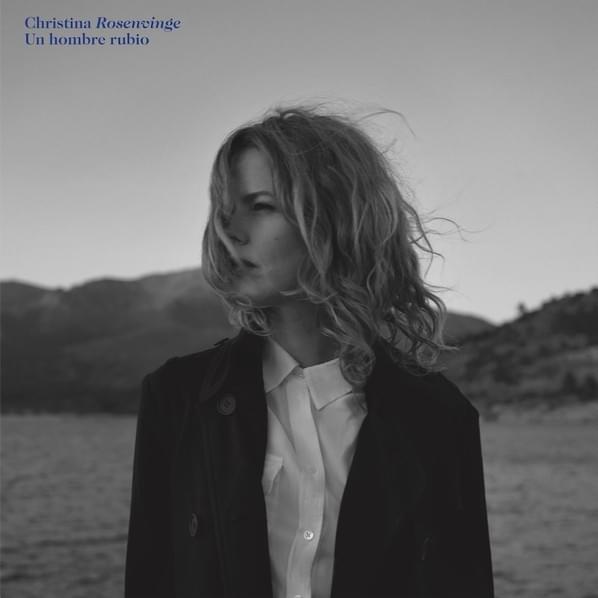
 View Artist