Song Meaning
The narrator stands at a precipice, both literal and emotional, confessing a profound inability to continue. The opening lines paint a stark picture: "Sono sul ciglio della strada" and "Io ti sorrido ma non puoi più guardarmi." This immediately establishes a sense of irreversible separation and a desperate, futile attempt at connection. The core of the conflict lies in the narrator's loss of capacity, admitting "non ho più armi e sogni qui per te," a direct contrast to the support they once received from the very person they are now failing. This inability to live "per te che ora io non vivo più" fuels the central tension.
The lyrics masterfully employ the recurring image of "scivolando tra le strade/luci della tua città," suggesting a passive, uncontrolled descent through a familiar yet alienating landscape. This descent is juxtaposed with the narrator's desperate "Corro più su," an effort to escape or perhaps reach a vantage point from which to observe the person they can no longer be with. The repeated phrase "Dovevo dirti molte cose amore" acts as a haunting refrain, underscoring a lifetime of unspoken words and missed opportunities that now weigh heavily on the narrator's conscience.
The emotional weight of these lyrics stems from the raw confession of personal failure and the profound regret for what has been lost. The narrator's actions, like "non suono per non disturbare te che dormi," reveal a lingering tenderness despite the separation, highlighting the painful awareness of the other person's continued existence and potential suffering. The simple act of quitting smoking, described as "così semplice," serves as a poignant, almost ironic, counterpoint to the overwhelming difficulty of their current emotional state, "Ma non è facile vederti giù."
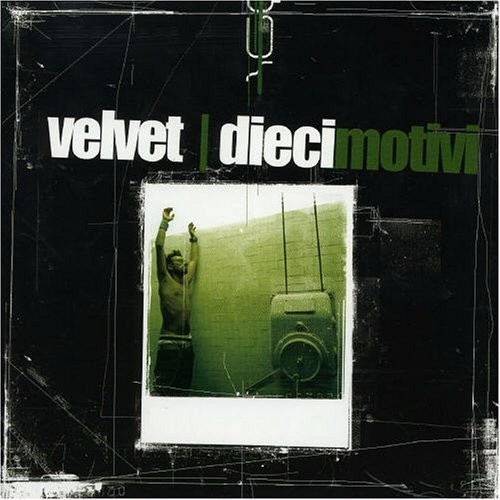
 View Artist