Song Meaning
The lyrics confront a powerful, unnamed 'you' who makes life-or-death decisions. The narrator repeatedly questions this authority, asking "Who are you to decide?" and "Who are you to justify?" This sets up an immediate tension between an external force of judgment and the narrator's own uncertainty. The repetition hammers home the gravity of these pronouncements and the narrator's struggle to comprehend them.
The central conflict emerges as the narrator turns the same intense scrutiny inward. After challenging the 'you,' the refrain "But then again / Who am I?" surfaces, revealing a profound self-doubt that mirrors the doubt cast upon the other. This isn't just about questioning an external power; it's about grappling with one's own identity and moral standing in the face of such immense judgment.
The lyrics escalate by introducing a "killing spree" and describing the 'you' as "malevolent." This imagery injects a darker, more violent tone, suggesting the decisions being made have devastating consequences. The shift to "Who are we on a killing spree" broadens the scope, implying a collective responsibility or a shared human capacity for such acts, further complicating the narrator's self-interrogation.
Ultimately, the effectiveness lies in this relentless questioning and the stark contrast between external power and internal doubt. The lyrics don't offer answers, but rather amplify the disquieting feeling of being caught between an overwhelming external judgment and an equally overwhelming internal void. The final, fragmented questions – "Who are you? / Who are you? / Who am I?" – leave the listener suspended in that unresolved tension.
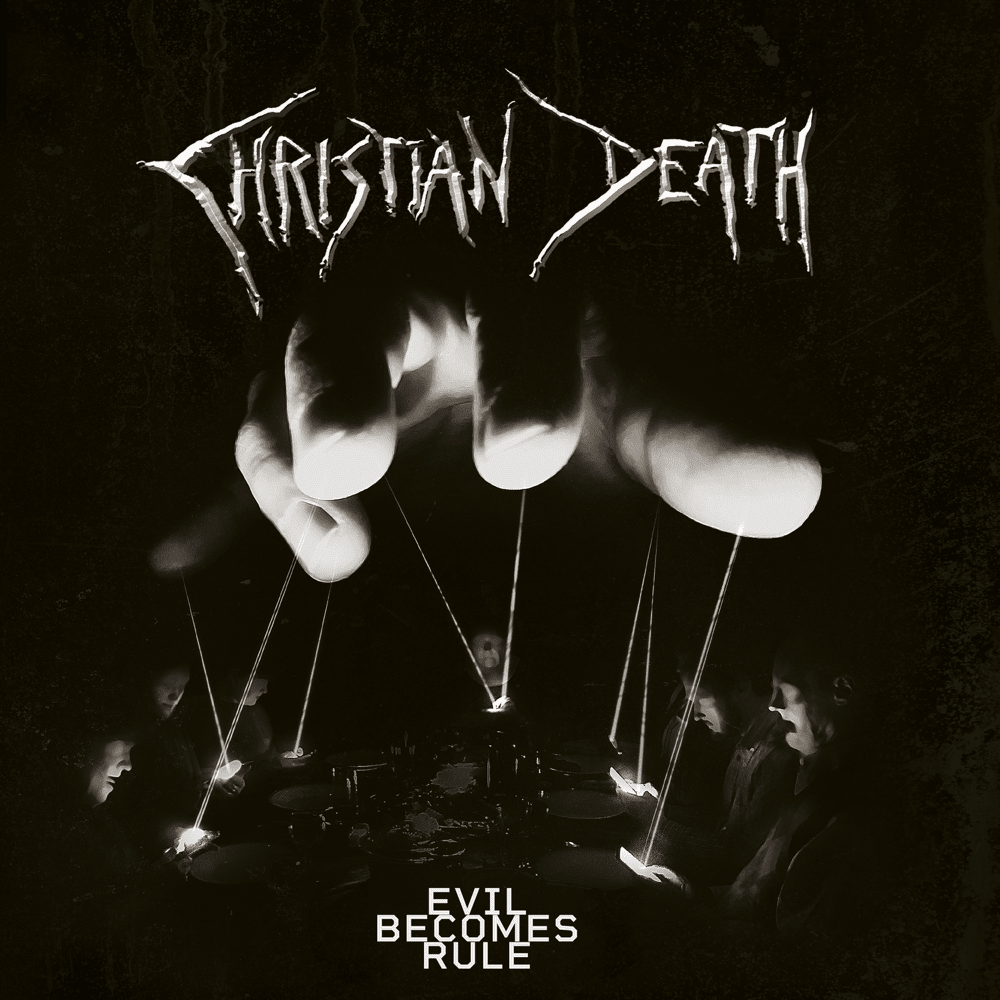
 View Artist