Song Meaning
The opening lines of "Vita-Voluntaria" hit hard with a solemn, almost oath-like refusal: "As my soul liveth I will not do this thing." This stark declaration immediately sets a tone of profound conviction. Yet, it quickly pivots, embracing the very essence of existence with the simple, profound statement: "Life, voluntary life / What a wonderful thing."
This immediate contrast creates a central tension, suggesting a powerful choice or a turning point. The narrator appears to reject a specific path or action, instead affirming a conscious, chosen life. It's a rejection of something undesirable in favor of an active, engaged existence, framing life itself as a deliberate and beautiful act.
The lyrics then expand into a grand, almost cosmic vision, blending spiritual and natural imagery. We see a future where "Eternity will bring, wealth / In the Tabernacle of love," promising not just material gain but "true health" within a sacred space. This is reinforced by the celebratory sounds of "Bells will ring / Seagulls will sing," culminating in the powerful, almost apocalyptic call of "Gideon will blow his trumpet," suggesting a divine affirmation or a momentous awakening.
What makes these lyrics so effective is their seamless transition from abstract, spiritual promises to a grounded, empowering call to action. After painting a picture of life's grand potential, the text acknowledges its inherent difficulties: "rivers to crawl and mountains to climb." The final lines cut through with direct, visceral advice, urging the listener to confront obstacles head-on. The repeated, forceful command to "Jump it" transforms the abstract wonder of "voluntary life" into a concrete, resilient philosophy for navigating its inevitable challenges.
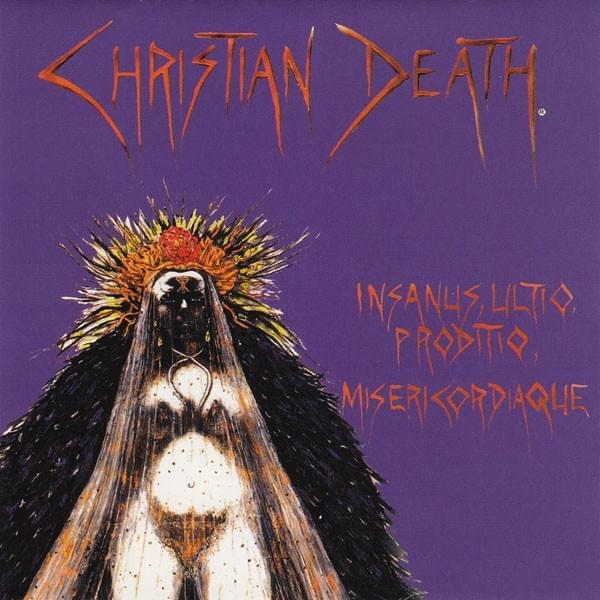
 View Artist