Song Meaning
The lyrics paint a bleak picture of spiritual and moral compromise, suggesting a world where all allegiances are ultimately transactional. The opening lines immediately invoke a sense of dark, almost biblical conflict, referencing "six hundred and sixty six" and "the wild beast." This sets a tone of profound disillusionment, hinting that even sacred or powerful entities are entangled in a corrupt system. The narrator questions the very nature of belief, posing "Was Jesus right? / Was Satan wrong?" and then directly asking if "belief in the two vanity?" This core question drives the entire piece, blurring the lines between devotion and self-deception.
The central tension lies in the repeated assertion that "We are all prostitutes of Gods and men." This isn't just about sexual sin; it suggests a universal selling-out, a compromise of integrity for perceived gain or comfort, whether from divine or human authorities. The image of "still sheets moist from lukewarm contact" powerfully conveys a sense of stale, uninspired intimacy or connection, reinforcing the idea of a pervasive, unsatisfying hollowness. This repeated refrain hammers home the idea that this transactional existence, this "vanity," is the inescapable human condition.
One of the most striking aspects is the narrator's deep disgust, which is immediately followed by the self-questioning "Or is this vanity?" This suggests a profound existential crisis, where even the act of recoiling from perceived corruption might itself be a form of self-absorption or pride. The lyrics also play with historical and mythological figures, from "The Noble Queen" suffering "vertigo from their high throne" to hypothetical scenarios like "if only the Huns had prevailed." These allusions serve to underscore a sense of historical futility and a questioning of established power structures, implying that every era and every system is susceptible to the same fundamental flaws.
Ultimately, these lyrics resonate because they articulate a deep-seated cynicism about human motivation and the nature of faith. The writing forces a confrontation with the idea that our deepest convictions and our most desperate acts might be driven by a hollow pursuit of validation – our "vanity." The cyclical structure, particularly the repetition of the "prostitutes" stanza, creates a sense of inescapable doom, leaving the listener to ponder whether any genuine meaning or salvation is possible in a world defined by such pervasive compromise.
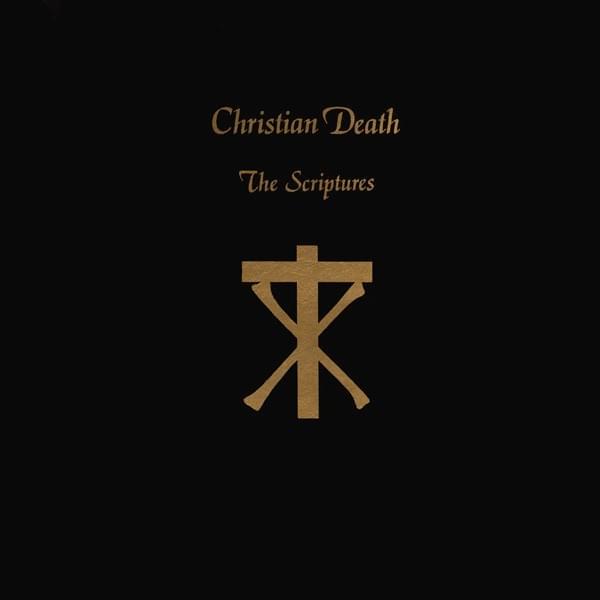
 View Artist