Song Meaning
The lyrics paint a vivid picture of intense longing and subsequent rejection, framed by a speaker who feels overlooked. Initially, there's a plea for affection, invoking imagery of purity and beauty – "the rose of Sharon," "the lily of the valleys." This contrasts sharply with a self-deprecating line, "Look not upon me / Because I am black," suggesting an internal or external struggle with self-worth that complicates the desire for love. The narrator seeks solace and finds it in a moment of "great delight" under a lover's "shadow," savoring sweet "fruit," but this peace is fleeting.
The central tension arises from the speaker's overwhelming desire for connection, expressed through the repeated, almost desperate refrain, "I am sick of love." This isn't a weariness of love itself, but rather a profound exhaustion with its absence or, more specifically, with a love that has "withdrawn himself." The narrator actively seeks this beloved, calling out "Open to me," only to be met with a painful withdrawal, leaving them "sick, sick of love."
The most striking craft element is the juxtaposition of sacred, almost biblical language with raw, personal anguish. The speaker identifies with biblical flora and addresses their lover with terms like "My love, / My dove, / My undefiled," creating an elevated, almost spiritual context for their desire. Yet, this is immediately undercut by the visceral, repeated declaration of being "sick of love," a phrase that grounds the spiritual longing in a very human, physical state of suffering and desperation. The imagery of being filled with dew and night drops on their hair suggests a vulnerability and exposure after a night of waiting and seeking.
This lyrical construction makes the song hit so hard because it captures the painful gap between idealized love and its harsh reality. The speaker's vulnerability, their self-doubt juxtaposed with profound yearning, and the ultimate rejection create a palpable sense of emotional distress. The repetition of "sick of love" transforms from a simple statement of weariness into an anthem of heartbreak, emphasizing the agonizing experience of loving someone who is no longer present or responsive.
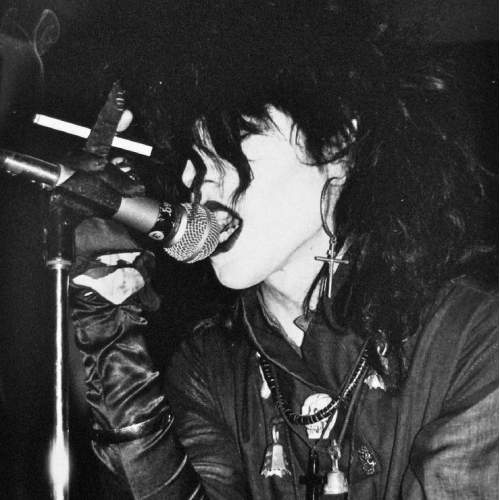
 View Artist