Song Meaning
The lyrics paint a picture of a world obsessed with rigid morality and societal perfection, a construct the narrator views as inherently flawed and even demonic. They contrast this external judgment with a personal sense of self-acceptance, finding satisfaction in their own conduct despite being labeled "insane." This sets up a central tension between the narrator's subjective experience and the objective, often hypocritical, standards imposed by religious and scientific institutions.
The core conflict seems to stem from the perceived hypocrisy of those who enforce "narrow morality." The narrator observes groups like "Thelemanites" and "Canonites" engaging in rituals and consecrations, while simultaneously invoking figures like Mephistopheles, suggesting a dark undercurrent beneath their outward piety. The lyrics question the very nature of existence and purpose, repeatedly asking "Do we live to eat / Or eat to live / Do we live to love / Or love to live?" This existential questioning highlights a search for authentic meaning beyond prescribed doctrines.
A striking element is the cyclical, almost mantra-like repetition of the existential questions, culminating in a fervent declaration: "Love to live / Give to love." This shift from questioning to affirmation suggests a potential resolution or a defiant embrace of life's fundamental drives over imposed rules. The lyrics propose that moral judgment itself might be the true "germ," a disease infecting the pursuit of a "perfect world" that stifles genuine human experience and deviation.
Ultimately, the effectiveness of these lyrics lies in their sharp critique of societal hypocrisy and their exploration of self-acceptance. By juxtaposing the narrator's internal peace with their own perceived insanity against the fervent, yet potentially hollow, devotions of others, the writing invites listeners to question the foundations of their own moral frameworks and to consider the possibility that true living might be found in embracing fundamental desires rather than adhering to artificial constraints.
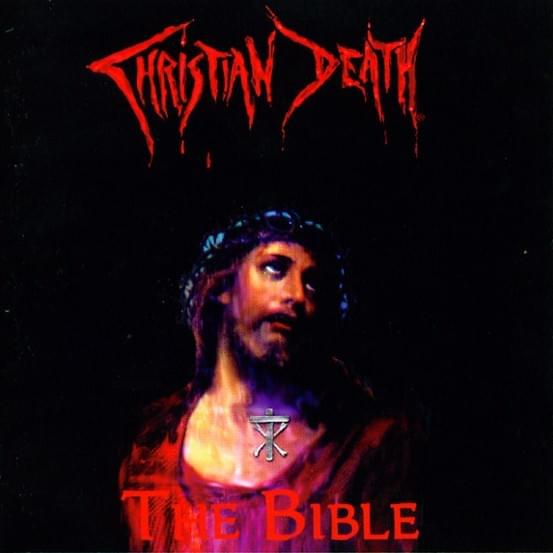
 View Artist