Song Meaning
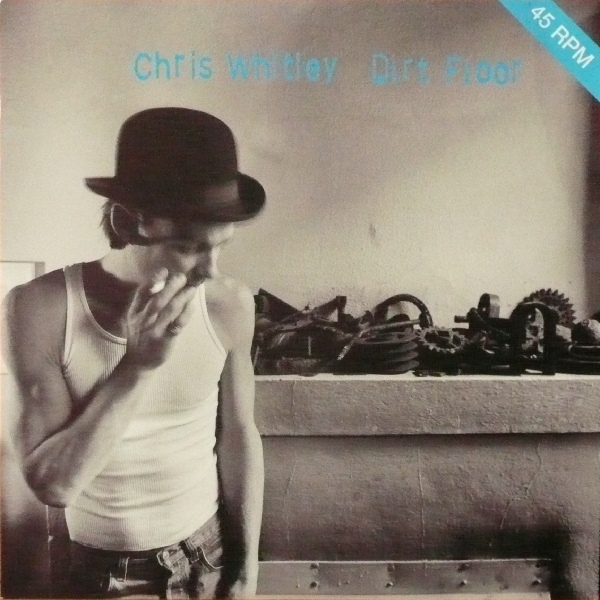
Chris Whitley's "Dirt Floor" isn't just a song; it's a stark meditation on impermanence and the solace found in returning to the elemental. Stripped down to its core, both musically and lyrically, the track evokes a primal scene: a space beneath the surface where failures are not catastrophes but rather expected parts of the human condition. The recurring image of the dirt floor acts as both a literal grounding and a metaphorical acceptance of life's inevitable collapses. It suggests a space of refuge, a place to be received when the striving and 'changes' of life prove unsustainable. Whitley uses the dirt floor as the ultimate leveler, a reminder that all artifice and ambition eventually succumb to the earth.
The lyrics paint a picture of profound surrender. The 'mist' and 'moss' aren't romantic flourishes but rather austere comforts, natural elements offering a meager but sufficient solace. The line 'the future is soon forgotten' is particularly haunting, suggesting a deliberate release from the anxieties of tomorrow. This isn't about escapism; it's about finding peace in the present moment, however stark that present might be. Whitley seems to suggest that true freedom lies not in endless striving, but in accepting the fundamental reality of our mortality and finding a strange comfort in the earth that will ultimately claim us.
The shovel, mentioned in the lyrics, is a powerful image. It is the tool for digging, for uncovering, and ultimately, for burial. 'May this shovel loose your trouble' is a plea for release, a recognition that our burdens are often self-imposed and that letting go is essential for survival. "Dirt Floor" ultimately becomes a testament to resilience, not in the sense of constant forward motion, but in the ability to find peace in stillness, to accept the earth as both our origin and our destination. It's a stark, unflinching look at the human condition, delivered with Whitley's signature blend of vulnerability and grit.
 View Artist