Song Meaning
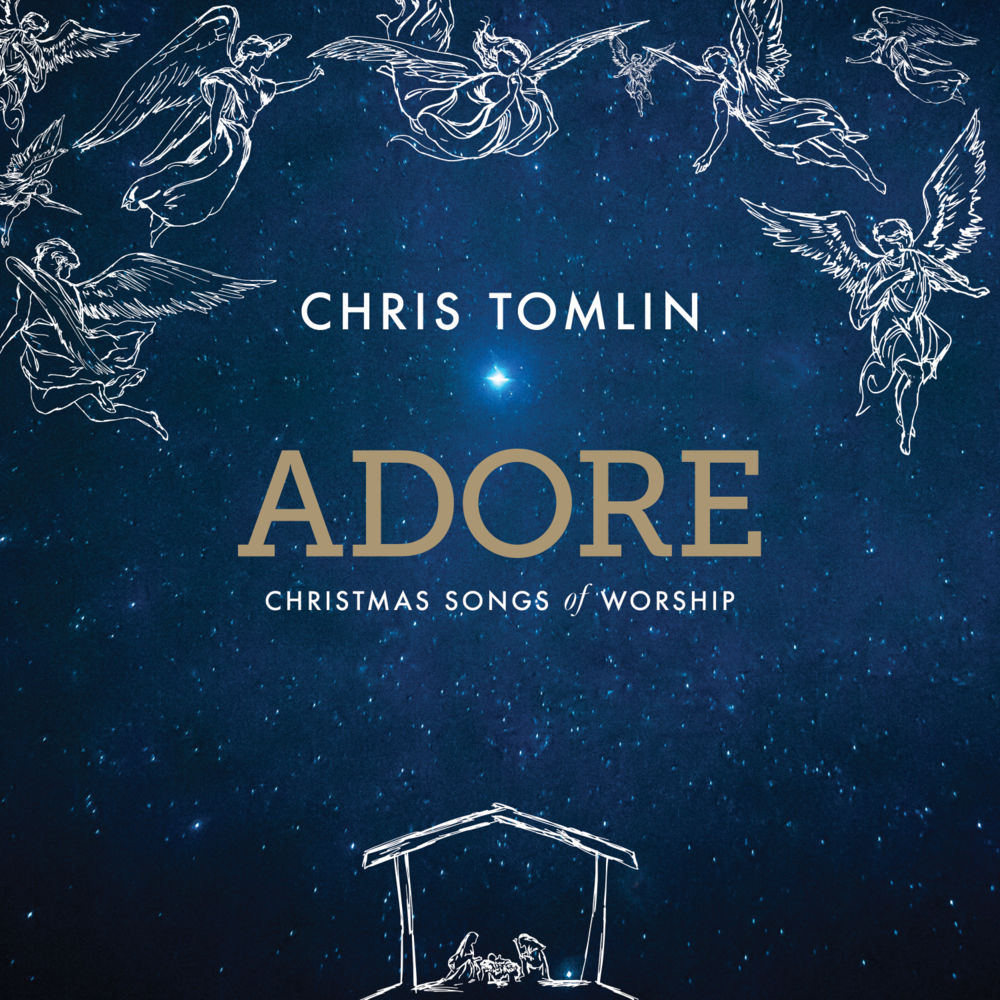
The lyrics paint a vivid picture of the Nativity scene, centering on the birth of Jesus in Bethlehem. The opening lines establish a serene, almost ethereal atmosphere with "starlight in a mother's eyes" and a "Holy Child is born." This sets a tone of awe and reverence, immediately drawing the listener into a moment of profound spiritual significance. The repetition of "Bethlehem Bethlehem" acts as an invocation, emphasizing the sacredness of the location and the event unfolding there. The narrative quickly shifts to the adoration of the "King born in Bethlehem" by both earthly figures like "kings and shepherds" and implicitly, heavenly ones.
The central tension lies in the juxtaposition of the infant's apparent helplessness and his divine nature. The lyrics state, "He knew the secrets of the world / His lips could not yet speak," highlighting the paradox of a being of immense knowledge and power being confined to a vulnerable, speechless infant. This "heaven wrapped in flesh and blood" underscores the miraculous aspect of the Incarnation, presenting Jesus as "The Son of Majesty" despite his humble beginnings. The recurring chorus reinforces the call to worship this "beautiful Savior."
A striking element is the integration of the traditional carol "O little town of Bethlehem." This familiar melody and imagery, particularly "the everlasting Light" shining in "dark streets," adds a layer of historical and cultural resonance. It connects the specific moment of Christ's birth to a broader narrative of hope, suggesting that this event is a focal point where "hopes and fears of / All the years are met." The contrast between the "deep and dreamless sleep" of the town and the "everlasting Light" signifies the transformative power of this divine arrival.
Ultimately, the lyrics are effective because they distill a complex theological event into accessible, evocative imagery and direct calls to worship. The blend of narrative description, repeated refrains, and the inclusion of a beloved carol creates a powerful emotional arc. It moves from the quiet wonder of the birth to an urgent plea for adoration, positioning Jesus as "The Hope of Israel" and "Emmanuel," a divine presence made manifest for all time.
 View Artist