Song Meaning
The speaker offers themselves with a startling apology: "I'm sorry if you do." This isn't a confident declaration of love; it's a hesitant, almost reluctant surrender, immediately undercut by a profound sense of self-doubt. The opening lines establish a palpable tension between desire and apprehension.
The core emotional conflict here is the speaker's deep-seated fear battling an undeniable pull. They admit to being "scared of your body" and "scared of your soul," revealing a raw apprehension about intimacy on all levels. Yet, this fear is ultimately outweighed by a desperate need, as they state they'd "rather be letdown" than let the connection go. It's a stark choice between potential heartbreak and the agony of never knowing.
The lyrics cleverly use self-deprecation to underscore the speaker's vulnerability and the overwhelming nature of their feelings. Admitting "Didn't take much to drive me crazy" and suggesting they "wasn't that sane before" isn't just a throwaway line; it implies this person was already fragile, and this new connection has pushed them fully into a chaotic, exhilarating space where they are "not mine anymore." This loss of self is presented as both terrifying and, perhaps, inevitable.
What makes these lyrics hit hard is the raw, almost aggressive dismissal of anything outside the immediate, intense connection. The speaker declares, "I don't care about my future" or "your past," actively pushing away conventional concerns. This isn't just a romantic gesture; it's a desperate, all-consuming focus on the present moment, culminating in a defiant shift from hesitant offer to an active, almost demanding desire: "I want you to be mine so bad / I promise I'll make it good." The initial apology transforms into a fierce, if still fragile, commitment.
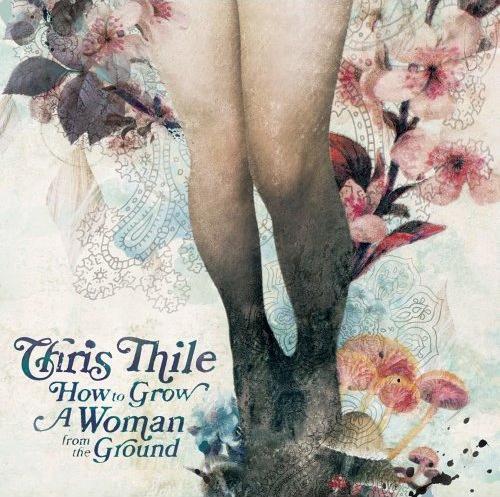
 View Artist