Song Meaning
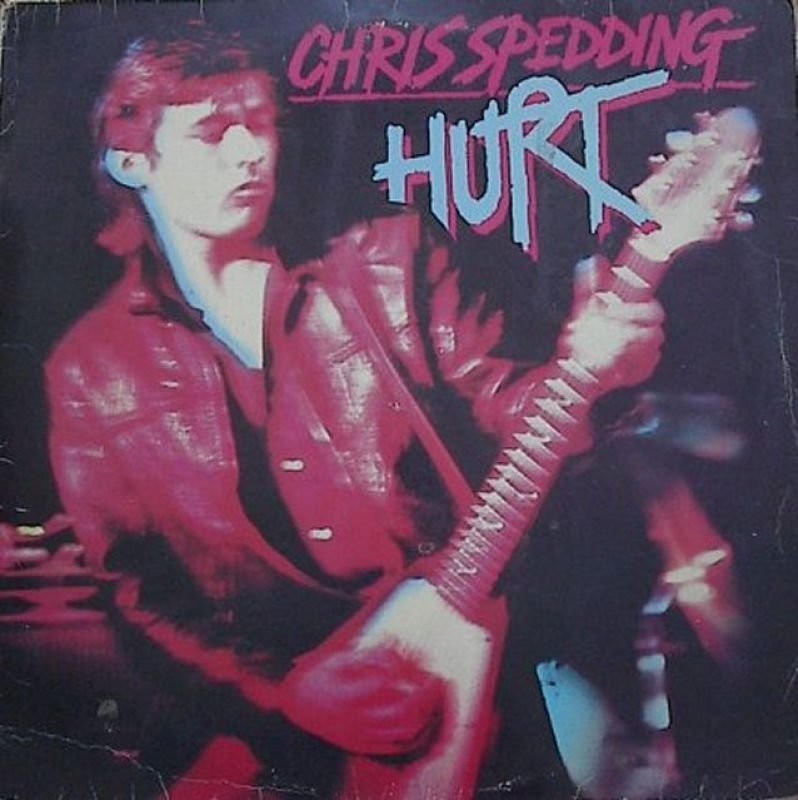
Chris Spedding's "Lone Rider" isn't just a motorcycle anthem; it's a psychological profile etched in gasoline and chrome. The "Lone Rider" isn't merely someone who prefers solo journeys; it's a declaration of independence bordering on outright misanthropy. The opening lines, "Exile Mister One percent / So much more convenient," suggest a deliberate rejection of societal norms, a conscious choice to exist outside the established power structures, perhaps even a preemptive strike against potential exploitation or control. This exile, presented as "convenient," hints at a deeper, perhaps painful, history that necessitates such radical self-preservation. The repeated assertion, "I don't let no human being mess with my machine," elevates the motorcycle to more than mere transportation. It becomes a symbol of autonomy, a buffer against unwanted intimacy, and a carefully guarded extension of the self.
The engine's "1,000 cc's" aren't just about speed; they represent the raw power to escape, to outrun connection and vulnerability. Spedding's lyrics paint a picture of a man constantly vigilant, "Keeping eyes on the road / Watching for human patrol." This isn't freedom; it's guarded liberty, a state of perpetual alert born from past betrayals or perceived threats. The line "You may get to second base / But you don't ever get to see my face" lays bare the rider's emotional unavailability, suggesting a fear of genuine connection that manifests as aloofness. Even fleeting intimacy is carefully managed, preventing any true glimpse into the rider's interior world.
The repeated, almost desperate, "Doncha hear me cry" refrain punctures the tough exterior, revealing a profound loneliness beneath the self-imposed isolation. It's a cry for help masked as a challenge, a yearning for connection struggling against the walls built to keep it out. The "Hog" and the "prairie dog" imagery further emphasize the rider's self-perception as an outsider, a creature constantly scanning the horizon for danger. "Lone Rider's" song meaning, therefore, resides in the complex interplay between a desire for freedom and the crushing weight of solitude, a portrait of a soul forever on the run, both from others and from itself.
 View Artist