Song Meaning
Chris Sligh's "We Are / You Are" isn't just another praise anthem; it's a raw confrontation with human fallibility set against the backdrop of divine grace. The song meaning hinges on a stark dichotomy: the acknowledgment of inherent human weakness juxtaposed with the boundless capacity for redemption. Sligh doesn't shy away from painting a bleak picture in the verses, repeatedly hammering home the idea that "We are the ones whose sin brought You from glory," and "We are the ones whose hearts are dirty and aching." This isn't a subtle nudge; it's a full-throated confession of collective guilt and a recognition of our constant straying. Psychologically, the song taps into the human tendency toward self-deprecation, but it reframes it within a spiritual context. It's not about wallowing in shame, but about understanding the depth of the chasm from which we need rescuing.
The chorus offers a counterbalance, shifting the focus to the redemptive power of the divine. "You are the One who sets us free from our bondage," Sligh sings, creating a powerful contrast. The lyrics deftly explore the imbalance between divine sacrifice and human reciprocation. The core tension lies in the line, "Your sacrifice requires our own sacrificing / But all we can give is our praise." There's an implicit understanding that we can never truly repay the debt, that our efforts will always fall short. This creates a space for humility and genuine gratitude, shifting the act of worship from rote obligation to heartfelt offering.
The simplicity of the outro, "All we are, we give to You," underscores the totality of surrender. The repetition transforms the phrase into a mantra, a complete giving over of self. It speaks to a desire for wholeness and a recognition that true fulfillment lies in relinquishing control. "We Are / You Are" is a compelling exploration of the human condition, a lyrical testament to the enduring need for grace and the transformative power of faith. The song’s brilliance is not in its complexity, but in its brutally honest articulation of our inherent flaws and the simple, yet profound, act of offering ourselves in return.
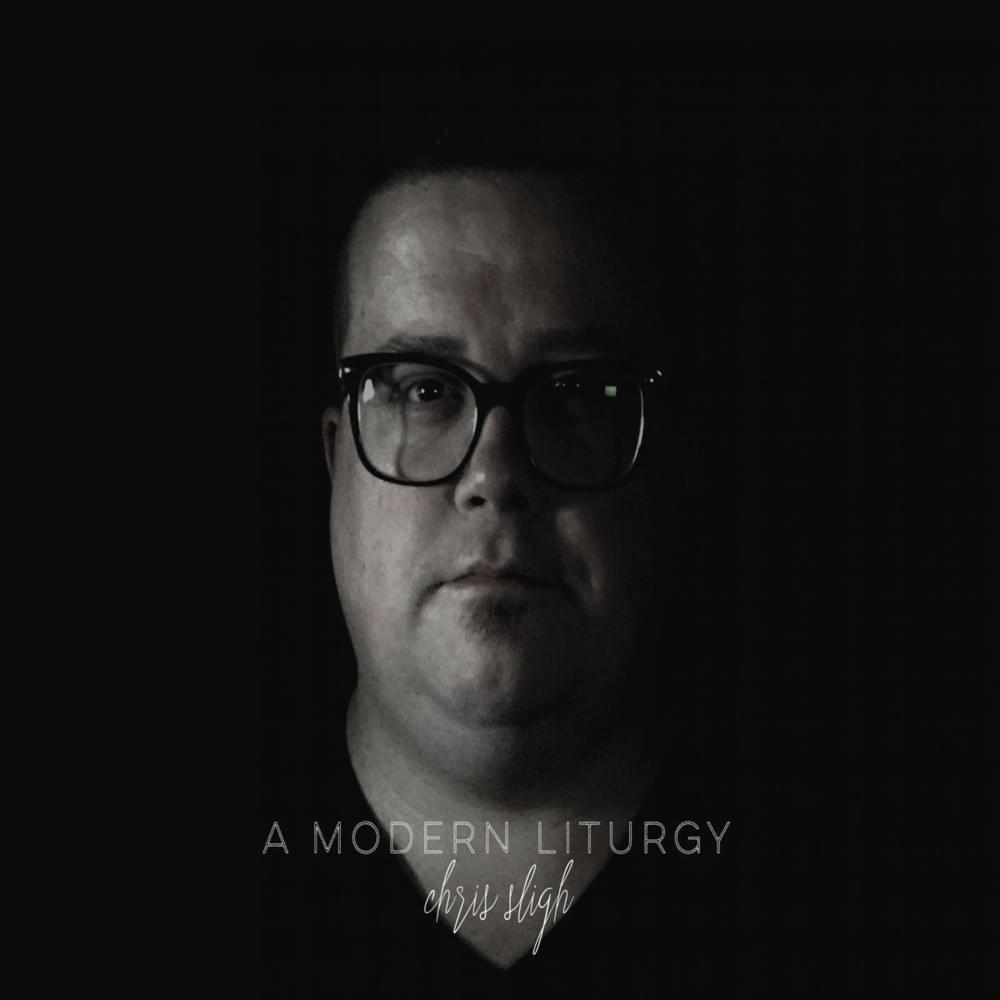
 View Artist