Song Meaning
The lyrics paint a picture of someone overwhelmed by the weight of their experiences, seeing their life reflected in both the natural passage of time and the struggles of others. The shift from "sunlight to moonlight" suggests a transition, perhaps from happier times to a more somber present, with "reflections of my life" filling their vision. This isn't a gentle reminiscence; it's an intrusive flood of memories and observations.
The dominant emotional tension arises from a profound sense of despair and a desperate yearning for escape. Phrases like "all my sorrows, sad tomorrows" and "feel I'm dying" convey a deep unhappiness. This pain is so acute that the narrator repeatedly pleads, "Take me back to my own home," indicating a desire for solace, safety, or a return to a simpler, perhaps idealized, past.
The most striking aspect is the stark contrast between the external world and the internal plea. The narrator acknowledges the world is "a bad place, a terrible place to live," a bleak assessment that fuels their desire for retreat. Yet, this bleakness is immediately followed by the powerful, almost defiant, assertion, "But you know I don't wanna die." This juxtaposition highlights a flicker of resilience amidst overwhelming sadness, a will to survive despite the perceived awfulness of existence.
This internal conflict, the push and pull between despair and the instinct for self-preservation, is what makes these lyrics resonate. The simple, direct language amplifies the raw emotion, making the plea for home and the refusal to give up feel incredibly potent. It's the sound of someone grappling with the darkness, finding a reason to keep going even when everything feels lost.
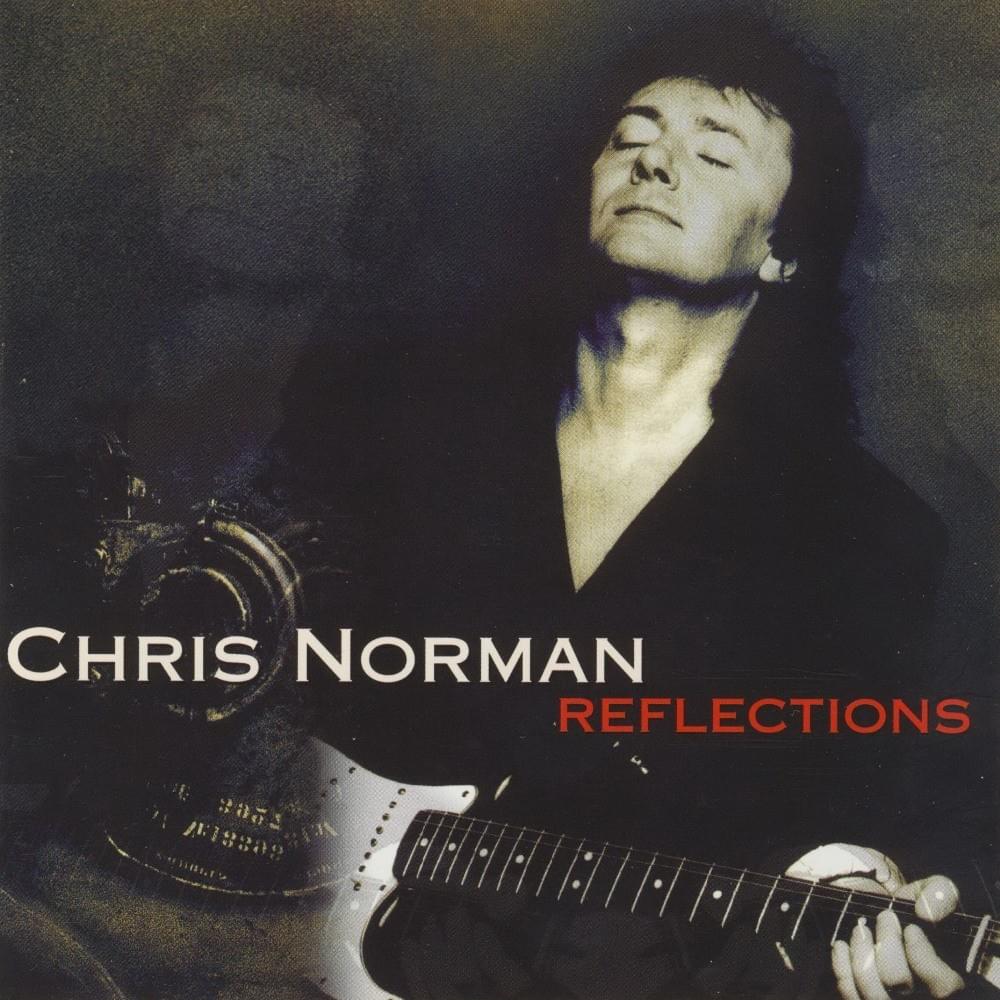
 View Artist