Song Meaning
The lyrics paint a picture of a world in constant, perhaps futile, motion. The narrator observes people caught in a cycle, "searching for something that can't be found," like "shadows on the wall." There's a sense of unreality to these reflections, a feeling that the pursuit itself is hollow. Yet, amidst this observation, a gentle plea emerges: to recognize the present as the intended destination, suggesting contentment is attainable if only one shifts their perspective.
The core tension lies in the contrast between this present-moment awareness and a pervasive longing for the past. The repeated refrain, "But you long, oh, for the good years," highlights a collective yearning for a bygone era, a time perceived as better or more fulfilling. This backward gaze is so powerful it overshadows the potential for joy or belief in the now. The narrator urges against despair, proposing instead that these "good years" can be a source of laughter and faith, even if they exist only in memory or imagination.
The most striking craft element is the direct address and the insistent repetition of "the good years." This phrase acts as both an anchor and a siren call, pulling the listener into a shared nostalgia. The imperative verbs – "long," "cry," "laugh," "believe" – directed at an implied listener create an intimate, almost confessional tone. The lyrics suggest that the act of remembering, or even just the *idea* of "good years," holds immense power over our present emotional state.
Ultimately, the effectiveness of these lyrics stems from their delicate balance between acknowledging a universal human tendency toward nostalgia and offering a gentle counter-argument. The writing doesn't dismiss the longing but reframes it, suggesting that the past's perceived perfection might be a construct we can learn to live with, or even draw strength from, rather than be consumed by. It's a quiet, introspective call to find value not just in what was, but in how we process it now.
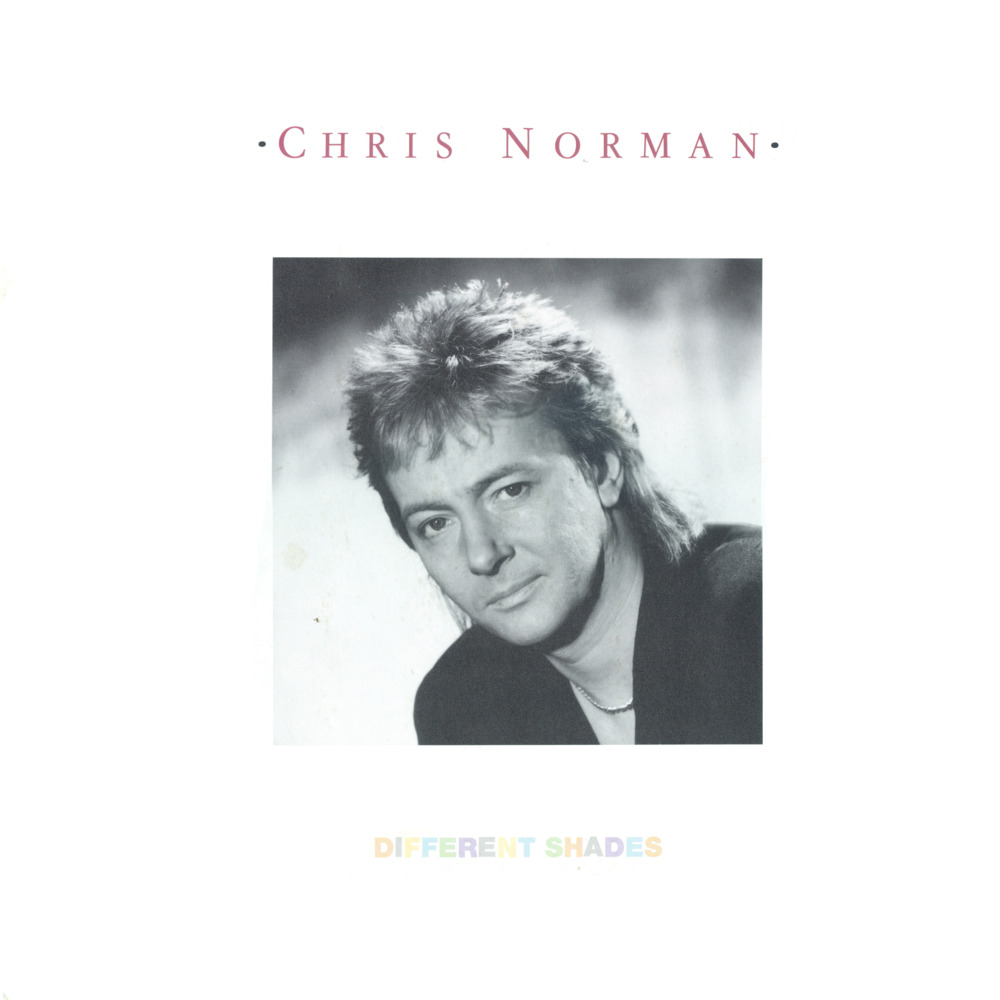
 View Artist