Song Meaning
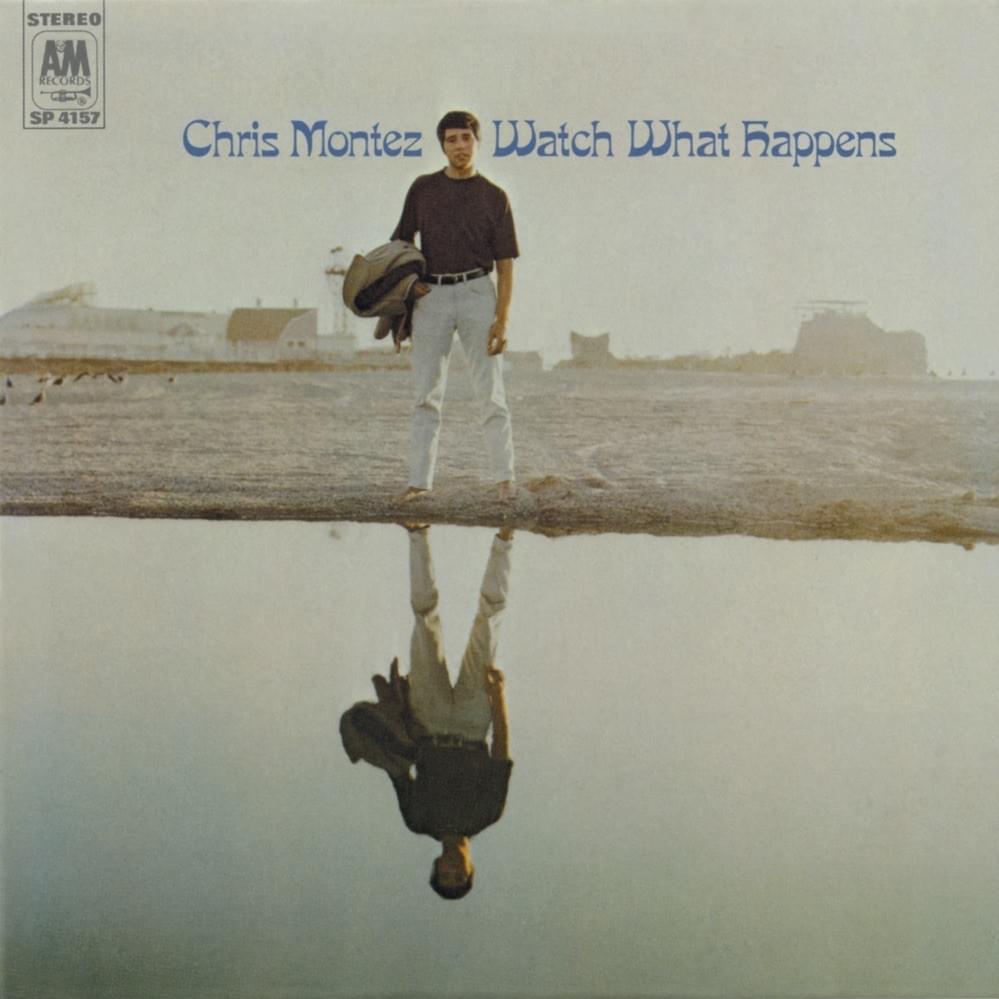
Chris Montez's rendition of "The Look of Love" is less a song and more a sigh made audible, a masterclass in the art of distilled longing. Stripped of artifice, the track hinges on a simple, almost primal observation: that genuine affection manifests physically, betraying itself in the eyes before any confession escapes the lips. It's the kind of sentimentality that could easily curdle into cliché, yet Montez navigates it with disarming sincerity. The lyrics themselves are spare, almost elemental, focusing on the titular 'look' as a beacon, a confirmation of reciprocal desire. The phrase 'a look your smile can't disguise' hints at a vulnerability, a subconscious revelation of true feeling that transcends practiced charm or social masking. This isn't just about attraction; it’s about recognizing a kindred spirit.
The anticipation humming beneath the surface of "The Look of Love" is palpable. Lines like 'I can hardly wait to hold you / Feel my arms around you' speak to a pent-up yearning finally on the verge of release. The repetition of 'How long I have waited / Waited just to love you' underscores the patience and quiet hope that often precede profound connection. There's a quiet desperation in the lyrics, too, revealed in the plea 'Don't ever go,' a raw expression of the fear that accompanies such intense vulnerability. The song taps into a universal desire for permanence, for a love that defies the transient nature of human experience.
Ultimately, the song’s power lies in its simplicity. It avoids complex metaphors or elaborate storytelling, instead choosing to focus on the purity of the emotion itself. The 'look of love' becomes a symbol of authenticity in a world often saturated with superficiality. Montez's interpretation doesn't attempt to reinvent the wheel; instead, it polishes a timeless sentiment until it gleams, offering a moment of sincere connection in a cynical age. The "The Look of Love" lyrics analysis reveals a testament to the enduring power of unspoken communication, a reminder that sometimes, the most profound truths are found not in what we say, but in how we look at each other.
 View Artist