Song Meaning
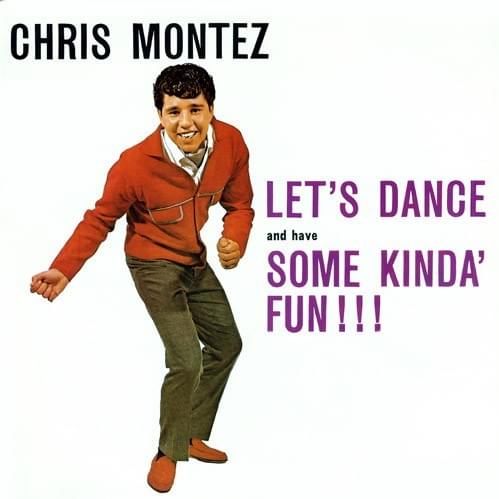
Chris Montez's "All You Had to Do (Was Tell Me)" isn't just a simple tale of heartbreak; it's a pointed exploration of betrayal's specific sting. The lyrics cut straight to the raw nerve of infidelity, not dwelling on the loss of love itself, but rather the profound violation of trust. The core assertion – "All you had to do was tell me" – becomes a mantra of wounded pride and disbelief. It speaks to a fundamental human need for honesty, even when the truth is painful. The implied question hangs heavy in the air: why the deception? What motivated the choice to inflict not just the sorrow of separation, but the added burden of feeling foolish and manipulated? The song doesn't offer answers, only the stark reality of a love poisoned by dishonesty.
Musically, the simplicity of the lyrics mirrors the directness of the emotional wound. There's no elaborate metaphor or flowery language to soften the blow. Instead, Montez focuses on the central injustice: the denial of agency. The betrayed lover is left reeling, not just from the breakup, but from the realization that they were deemed unworthy of a simple truth. Lines like "The lips I thought were only mine / Were kissing someone new" underscore the possessive nature of love, and how that possessiveness morphs into a feeling of violation when boundaries are crossed in secret. It's a primal hurt, digging into the listener's own anxieties about vulnerability and the potential for deception in intimate relationships.
The repetition throughout the song, particularly of the title phrase, emphasizes the cyclical nature of grief and regret. The speaker is caught in a loop, replaying the scenario in their mind and fixating on the one simple act that could have spared them so much pain. The final line, "Then it wouldn't hurt so bad," is a quiet admission of the enduring power of honesty, even in the face of heartbreak. It's a sentiment that resonates long after the song ends, a reminder that while love may fade, the scars of betrayal can linger indefinitely. The song’s meaning ultimately lies in its stark portrayal of how easily love can be corrupted by dishonesty, leaving a lasting residue of pain and distrust.
 View Artist