Song Meaning
Chris De Burgh's "The Leader" taps into primal anxieties and messianic longing. The song's power lies not in specific political commentary, but in its archetypal resonance. The lyrics depict a scene of expectant vigil, a gathering at a "circle of stones" awaiting a prophesied figure. This imagery evokes ancient rituals and a deep-seated human desire for guidance, for someone to interpret the "sign, a light in the sky." The song wisely avoids defining the leader's ideology or purpose. Instead, it focuses on the *need* for leadership, a need that blooms in "desolate" times. This ambiguity allows listeners to project their own hopes and fears onto the figure, making the song a mirror reflecting our collective yearning for a savior, be it political, spiritual, or personal.
De Burgh masterfully exploits the tension between hope and potential danger inherent in such expectations. The "message is clear, that the time is near," but clear to whom? The lyrics offer no guarantee that this leader will be benevolent. The blinding light could signal enlightenment or something far more sinister. The song's strength resides in its refusal to resolve this ambiguity. The listener is left to grapple with the implications of yearning for a leader, particularly in times of uncertainty. It's a potent exploration of the human tendency to seek simple solutions to complex problems, often placing undue faith in charismatic figures.
Ultimately, "The Leader" is less about the leader himself and more about the psychological landscape that gives rise to such figures. It's a study in mass psychology, exploring the vulnerability of individuals seeking direction and the potential for manipulation inherent in that vulnerability. The lyrics function as a stark reminder of the seductive power of authority and the importance of critical thinking, particularly when faced with promises of easy answers and transformative change. The song's meaning, therefore, is a cautionary tale woven into a compelling narrative of anticipation and potential disillusionment.
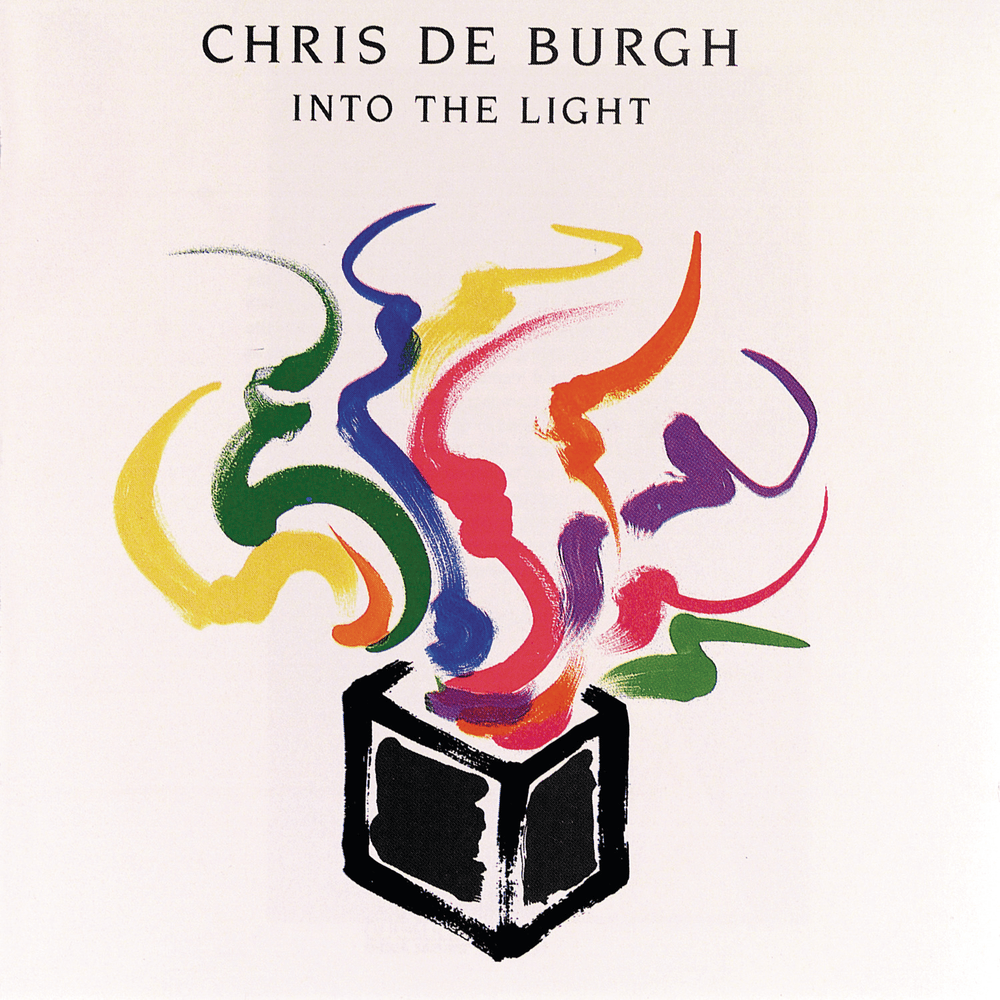
 View Artist