Song Meaning
Chris de Burgh's "Moonlight and Vodka" isn't just a catchy tune; it's a masterclass in crafting a feeling of alienation. The song meaning bleeds from the weary bones of a protagonist adrift in a Moscow that's more psychological landscape than geographical location. He's not simply cold; he hasn't been warm for a week, a line that speaks volumes about emotional isolation. The vodka-fueled haze serves as both anesthetic and escape, a desperate attempt to bridge the chasm between himself and his surroundings. The off-kilter reference to lunchtime in L.A. while it's midnight in Moscow highlights the disorienting clash of cultures and the protagonist's longing for something familiar.
The constant references to discomfort – the shaking hands, the lousy beer, the aching head – paint a portrait of a man whose senses are on high alert, bordering on paranoia. The throwaway line about the dancing girl working for the KGB isn't just a Cold War trope; it underscores a deep-seated mistrust and the sense of being watched, scrutinized, judged. It's a world where even pleasure feels tainted, potentially weaponized against him. The lyrics suggest a jaded cynicism, a weariness with the "serious business" of espionage, hinting at a deeper disillusionment beyond just this particular mission.
Ultimately, "Moonlight and Vodka" uses its Cold War setting as a backdrop to explore themes of displacement and the search for connection in a world that feels increasingly hostile. Chris de Burgh captures the feeling of being an outsider, using the vodka-soaked atmosphere to amplify the protagonist's vulnerability. The repeated line, "Moonlight and vodka, takes me away," is not celebratory, but a poignant acknowledgement of the character's need to escape a reality that has become unbearable. The song leaves you with the unsettling feeling that sometimes, the most dangerous enemy isn't a foreign power, but the cold, hard truth of one's own isolation.
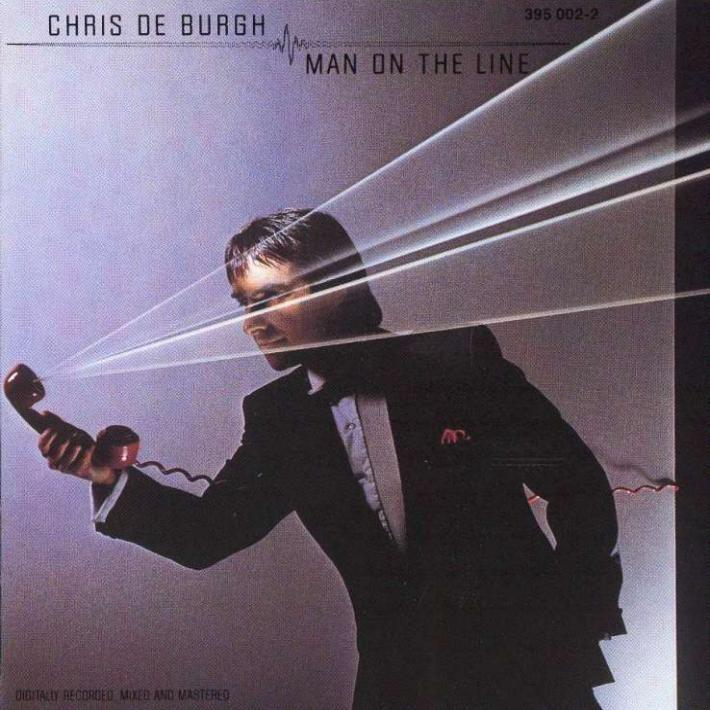
 View Artist