Song Meaning
Chris Cornell's interpretation of "Redemption Song" isn't merely a cover; it's a visceral reimagining that strips Bob Marley's hopeful anthem down to its raw, desperate core. Where Marley offered sunlight through struggle, Cornell finds himself mired in the "bottomless pit," evoking a personal hell of addiction, depression, or perhaps the suffocating pressures of fame itself. The opening lines, referencing pirates and merchant ships, become a metaphor for exploitation and the feeling of being commodified, sold off piece by piece. Cornell's signature vocal grit transforms the plea for "songs of freedom" into a primal scream, a desperate grasping for liberation.
The recurring phrase "Redemption songs" takes on a double meaning within Cornell's context. Are they songs that offer redemption, or songs *about* the yearning for it, forever out of reach? The juxtaposition of Marley's lyrics about mental emancipation and the futility of stopping time with the haunting question of why "they kill our prophets" while we passively observe creates a stark tension. It suggests a cyclical pattern of oppression and resistance, where even the most powerful voices are silenced, leaving us trapped in a perpetual state of seeking redemption. The "book" mentioned could be interpreted as a fatalistic acceptance of this predetermined suffering.
Ultimately, Chris Cornell's rendition of "Redemption Song" becomes a potent exploration of internal and external battles. It's a song about the struggle to break free from personal demons and societal constraints, even when the odds seem insurmountable. Cornell's delivery, laden with pain and yearning, amplifies the song's inherent message of resilience while acknowledging the heavy toll of the fight. The repeated calls to "help me sing" are not just an invitation to join in a chorus of hope, but a desperate cry for solidarity in the face of overwhelming darkness, making this "Redemption Song" meaning deeply personal and universally resonant.
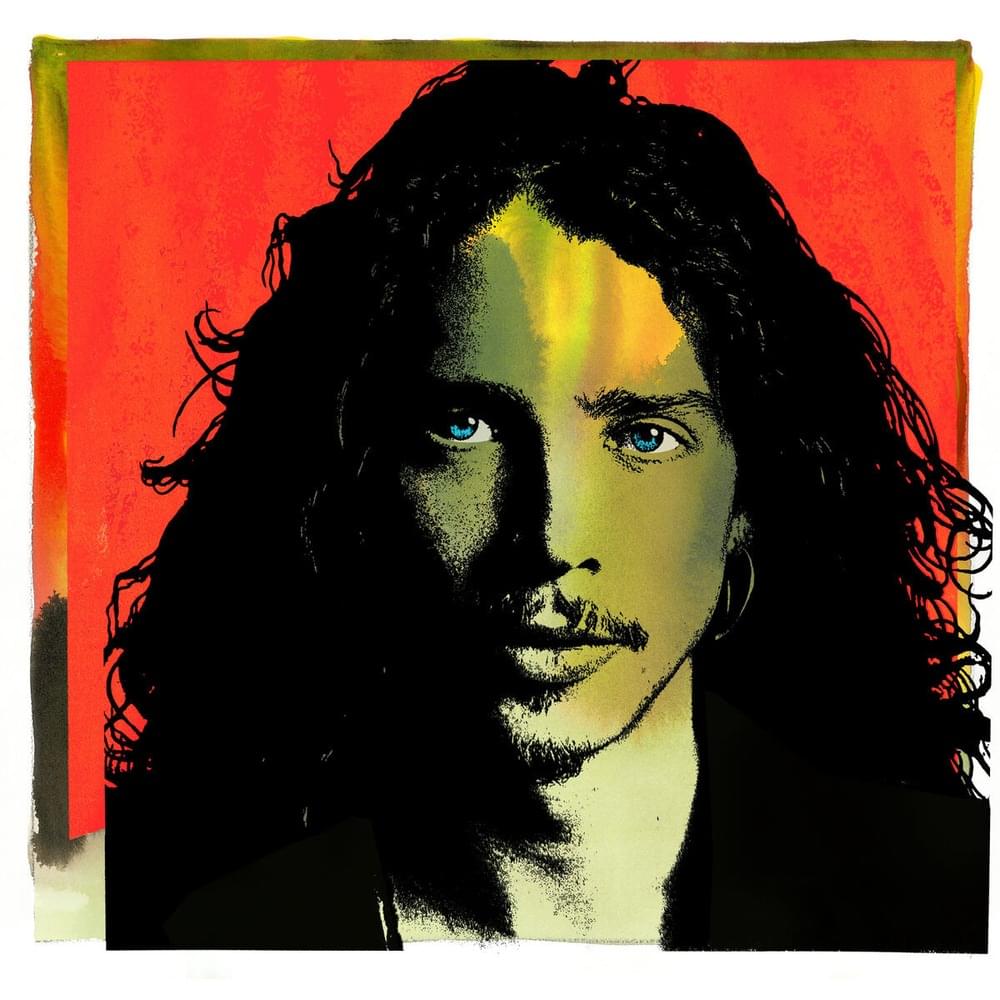
 View Artist