Song Meaning
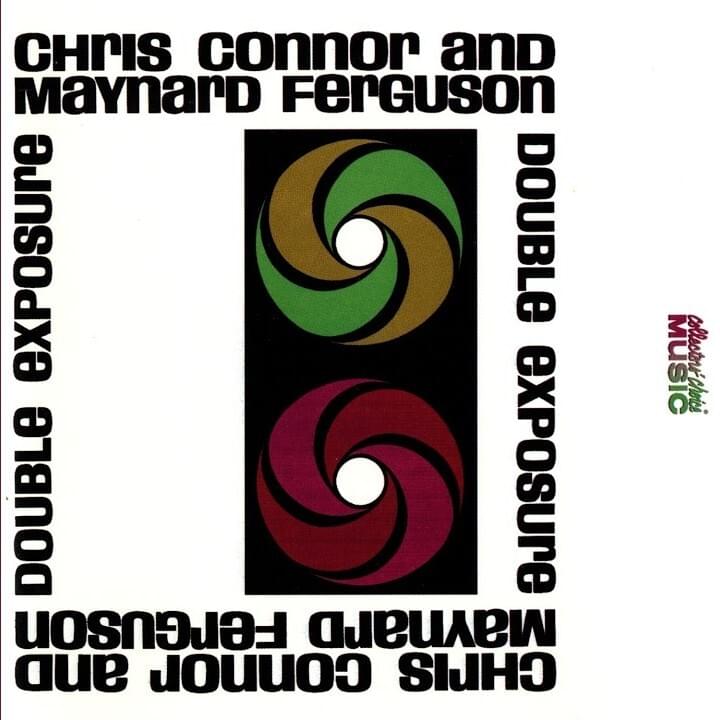
Chris Connor's rendition of "Summertime" isn't just a lullaby; it's a gilded cage of promise and potential deferred. The opening lines paint a picture of idyllic ease, a world of inherited privilege where even nature conspires to soothe. "Fish are jumpin' and the cotton is high" – it's a scene of Southern comfort, yet the imperative "hush little baby, don't you cry" hints at an underlying tension. What sorrow could possibly touch this seemingly perfect existence? The song's power lies in this very contrast: the tension between outward tranquility and the suppressed anxieties of a protected life. The song meaning becomes an exploration of the bittersweet nature of security. It's a gilded cage.
The second verse pivots to a future of soaring independence: "You're goin' to rise up singing, then you'll spread your wings and you'll take the sky." This promise of future liberation, however, is subtly undermined by the present reality. The "one of these mornings" feels perpetually distant, a deferred dream overshadowed by the immediate comfort of parental protection. The lyrics analysis reveals a poignant anticipation, yet it's an anticipation tinged with the potential for stagnation. Will this "little baby" ever truly need to fly, or will the allure of "daddy and mammy standin' by" prove too strong?
Connor's delivery, imbued with a smoky, late-night jazz sensibility, adds another layer of complexity. Her voice is both soothing and subtly melancholic, suggesting an awareness of the limitations inherent in this seemingly carefree world. It's this nuanced interpretation that elevates "Summertime" beyond a simple lullaby. It becomes a meditation on the paradox of privilege, the delicate balance between security and self-discovery, and the unspoken anxieties that can simmer beneath even the most idyllic surface.
 View Artist