Song Meaning
Chris Connor's "Radar Blues" isn't just a lament; it's a poignant exploration of intellectual and emotional displacement. The song meaning hinges on the contrast between the narrator's former life, steeped in "scientific data" and navigating the "upper strata," and his current state, adrift in the wake of lost love. This isn't merely heartbreak; it's a destabilization of identity. The radar metaphor becomes central: his heart, once guided by logic and reason, now sends out desperate, unfocused signals, attempting to locate a love that's vanished. The "radar blues" aren't just sadness; they represent a fundamental disorientation, a failure of the mechanisms he once relied upon to make sense of the world.
The lyrics paint a vivid picture of a mind struggling to adapt. The narrator's attempts to apply scientific frameworks to his emotional turmoil are particularly striking. He wonders if his condition is "chronic" or if a new romance would be "platonic," revealing a desperate search for categorization and control in a situation that defies both. This intellectualizing is a coping mechanism, a way to distance himself from the raw pain of abandonment. However, it ultimately fails, as evidenced by the surreal image of a "supersonic" moon – a symbol of the irrationality and heightened emotional state that now governs his perception.
Ultimately, "Radar Blues" captures the disorienting experience of losing not only a lover but also a sense of self. The bridges underscore the totality of this loss: "Life has become so gloomy," and "Your love was all that mattered to me." The song's power lies in its ability to articulate the feeling of being utterly untethered, adrift in a world where the old maps no longer apply. It's a sophisticated take on heartbreak, one that acknowledges the profound impact of emotional loss on our cognitive and existential frameworks.
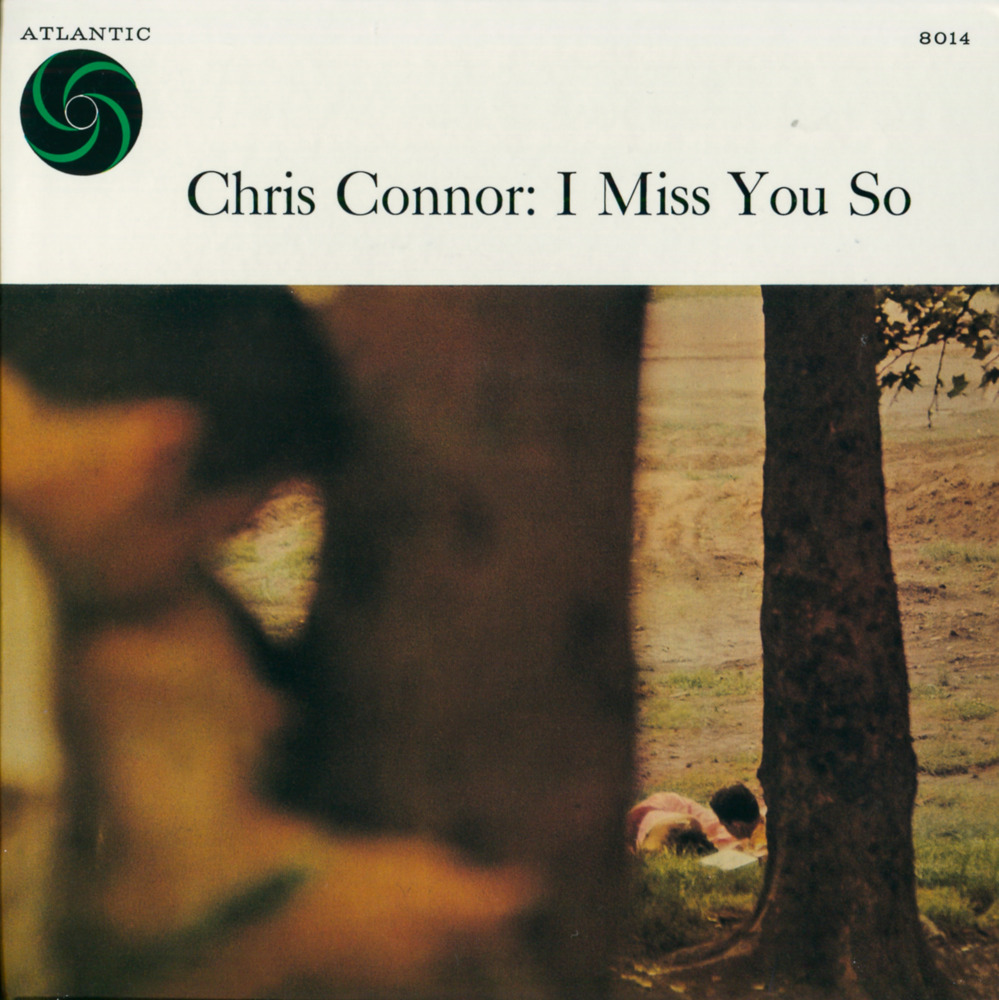
 View Artist