Song Meaning
Chris Connor's "Only The Lonely" isn't a wallow in self-pity, but a curious exploration of shared isolation, a duet of detachment. The opening lines paint a picture of awkward intimacy: "We walked the loneliest mile / We smiled without any style / We kiss altogether wrong." This isn't about romantic connection; it's about two people finding solace in their mutual inability to connect authentically, a shared performance of normalcy gone slightly askew. They exist in a bubble, detached from societal expectations ("We lived without each other thinkin' / What anyone would do / Without me and you"), finding a strange freedom in their isolation. It's a rebellion disguised as melancholy.
The repeated refrain, "Only the lonely can play," suggests that this detachment isn't a tragedy, but a kind of exclusive club. There's a sense of empowerment in their loneliness, a recognition that they possess a perspective unavailable to those caught up in conventional relationships and social structures. The "play" isn't necessarily joyful, but it is authentic to their experience. They are operating by their own rules, unbound by the pressures of fitting in. It's a fascinating inversion of the typical lonely hearts narrative.
Memory itself becomes suspect in the song. When the other person mentions a past time "we were together," the singer responds, "So long ago, well I don't remember / All I know is that it makes me feel good now." The past is irrelevant; only the present feeling matters. This reinforces the theme of living outside of conventional timelines and expectations. The "good" feeling derived from the memory, regardless of its accuracy, is what sustains them. "Only The Lonely" ultimately suggests that loneliness, when embraced, can be a source of unique perspective and even a peculiar form of connection.
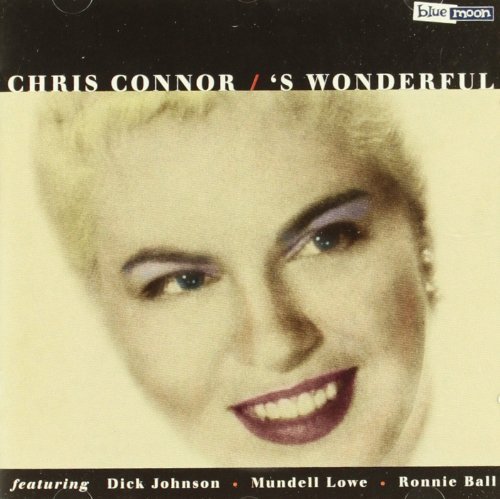
 View Artist