Song Meaning
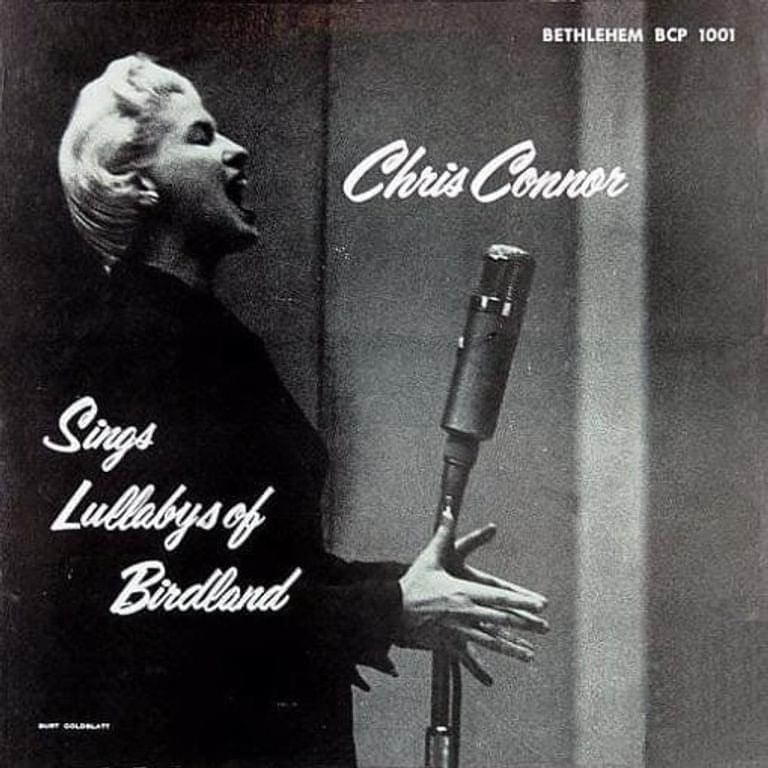
{"song_id": 13837445, "meaning": "Chris Connor's \"Lullaby of Birdland\" is more than just a gentle tune; it's a sonic portrait of infatuation, painted with the delicate brushstrokes of jazz. The song meaning resides in its central metaphor: Birdland, a mythical realm where love transcends the mundane. It's not merely a place, but a state of being, achieved through the intoxicating power of connection. The opening lines, \"Here's a lullaby, a different lullaby,\" signal a departure from traditional sleep-inducing melodies, hinting instead at a love so profound it lulls the soul into a state of blissful surrender. Birdland becomes the sanctuary where whispered secrets and tender kisses create a unique language understood only by the lovers themselves. Connor's delivery, smooth and intimate, further enhances the feeling of entering a private world.
The lyrics analysis reveals a vulnerability beneath the surface of romantic ecstasy. The \"weepy ol' willow\" serves as a poignant reminder of the ever-present fear of loss. This image, of crying into a pillow at the thought of \"farewell and goodbye,\" introduces a bittersweet counterpoint to the otherwise idyllic Birdland. It's a recognition that even the most passionate love affairs are shadowed by the potential for heartbreak. This vulnerability adds depth to the song, preventing it from becoming saccharine or overly sentimental. It acknowledges the inherent risk involved in opening oneself up to another person, even within the safe confines of Birdland.
Ultimately, \"Lullaby of Birdland\" captures the all-consuming nature of being in love. The desire to \"flyin' high in Birdland\" speaks to the transformative power of connection. It's about escaping the ordinary and entering a realm of shared joy and intimacy. The repeated references to whispering and kissing underscore the importance of physical and emotional closeness in creating this sanctuary. It's a celebration of love's ability to elevate us, to transport us to a place where worries fade and only the present moment matters. Chris Connor's interpretation transforms a simple love song into an exploration of the human heart's capacity for both profound joy and equally profound sorrow."}
 View Artist