Song Meaning
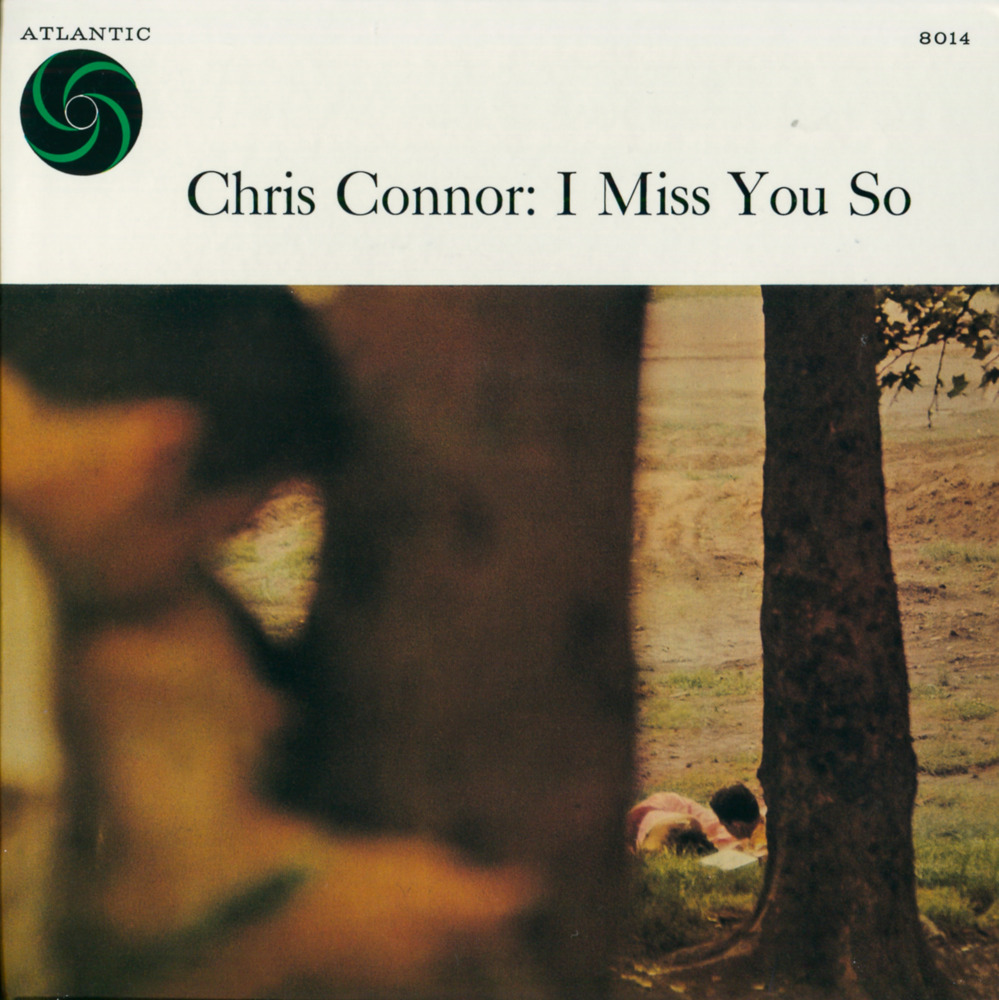
{"song_id": 13837381, "meaning": "Chris Connor's \"I Miss You So\" isn't just a song; it's a study in the architecture of absence. Connor, a vocalist celebrated for her cool, understated delivery, transforms simple lyrics into a profound exploration of longing. The song excavates the raw nerve of post-relationship grief, focusing not on anger or betrayal, but on the hollow ache left by vanished intimacy. The opening lines, referencing \"happy hours\" and \"that lovely afterglow,\" paint a picture of idyllic contentment, a stark contrast to the desolation that permeates the rest of the song. It's the psychological trick of memory – the sharp, almost painful clarity of what's been lost. The repetition of the line \"Most of all I miss you so\" acts as a relentless mantra, a looping echo chamber of sorrow. Connor wisely avoids complex metaphors or elaborate imagery, letting the directness of the words amplify the emotional impact.
The genius of \"I Miss You So\" lies in its understanding of the specific textures of loss. It's not just about missing a person, but about missing the specific sensory details of the relationship: \"Your sweet caresses, each rendezvous, Your voice so soft and low.\" These aren't generic romantic gestures; they're personalized fragments of a shared history, now rendered unbearable by their absence. This emphasis on sensory recall speaks to the deeply embodied nature of love and loss. The bridge offers a fleeting glimpse into the pre-loss state: a heart \"filled with no regrets, no fears.\" This idealized past serves to intensify the present pain, highlighting the chasm between what was and what is.
Ultimately, \"I Miss You So\" resonates because it taps into a universal human experience: the quiet, persistent ache of missing someone. It’s a masterclass in emotional restraint, allowing the listener to project their own experiences onto the song's simple framework. The concluding verse, with its declaration of enduring love, adds another layer of complexity. It acknowledges that love, even when unrequited or lost, can persist as a powerful force, shaping our memories and coloring our present. Chris Connor doesn't offer easy answers or resolutions; she simply provides a space to sit with the weight of absence, and in doing so, creates a deeply moving and relatable portrait of the human heart."}
 View Artist