Song Meaning
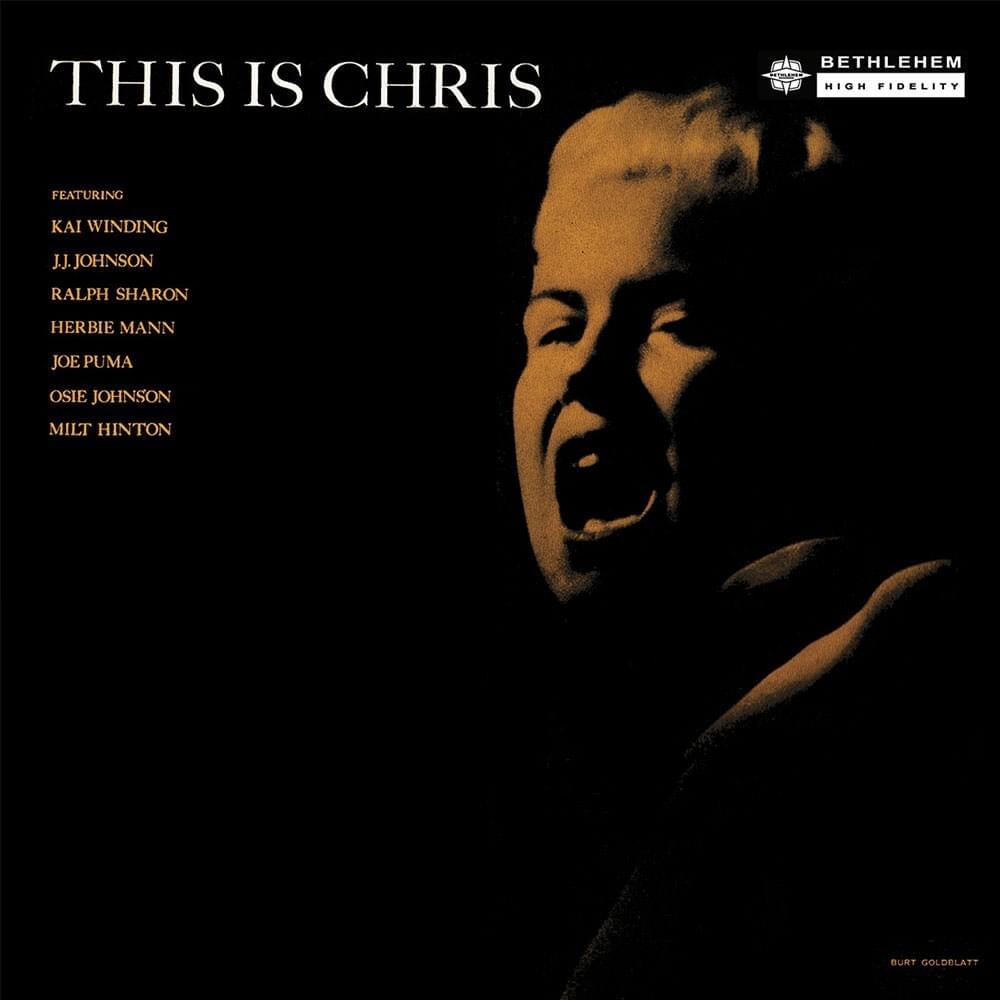
Chris Connor's rendition of "Blame It on My Youth" isn't just a wistful ballad; it's a dissection of naive idealism meeting the cold blade of reality. The song meaning hinges on that razor's edge where youthful innocence crashes against the rocks of adult experience. Connor's voice, tinged with a world-weariness that belies the lyrics' plea, elevates the tune beyond a simple lament. She transforms it into a sophisticated, almost cynical, reflection on the follies of first love. The opening lines establish a stark dynamic: 'You were my adored one, Then you became the bored one.' This immediately sets the stage for a tale of disillusionment. The narrator's descent from cherished object to discarded 'broken toy' is brutal in its simplicity. It's the kind of heartbreak that etches itself into the psyche.
The core of the song, of course, lies in the repeated phrase, 'Blame it on my youth.' It's both an excuse and an indictment. She acknowledges the naivete inherent in her all-consuming devotion ('If you were on my mind all night and day'), yet simultaneously, there's a subtle defiance. The repetition becomes a shield, deflecting responsibility for the depth of her feelings. It’s as if she’s saying, 'I loved too hard, I cared too much, but that's only because I didn't know any better.' The vulnerability is palpable, particularly in lines like 'I believed in everything, Like a child of three.' That childlike faith, once a source of joy, becomes the very thing that leaves her exposed and wounded.
But what makes Connor's interpretation so compelling is the undercurrent of knowingness. It's not just a song of regret; it's a song of understanding. The narrator isn't simply wallowing in sorrow; she's analyzing the situation, attempting to make sense of the wreckage. The plea, 'Don't blame me, Blame it on my youth,' isn't just directed at the former lover; it's directed at herself. It’s a way of forgiving herself for the mistakes of youth, for the intensity of feeling that ultimately led to heartbreak. In essence, "Blame It on My Youth," as performed by Chris Connor, evolves into a poignant exploration of self-discovery, a recognition of the transformative power of pain, and a bittersweet acceptance of the inevitable loss of innocence.
 View Artist