Song Meaning
The lyrics paint a stark picture of isolation and the overwhelming nature of existence when stripped of a guiding presence. Initially, the narrator believed they understood loneliness and sadness, but a specific act of shutting someone out revealed a deeper, more profound truth: the world itself becomes a hostile "jungle" without this person. This isn't just about personal sadness; it's about a fundamental shift in perception where the external world transforms into a dangerous, untamed space.
The central tension arises from this realization and the subsequent search for salvation. The "jungle" is a place where people are lost, implying a collective struggle for survival and meaning. The narrator expresses a desire to "get them out," suggesting a sense of responsibility or a yearning for communal rescue. This rescue is ultimately tied to a "Great One" who will "pull us out," hinting at a divine or powerful external force that can overcome the inherent dangers of this perceived world.
The most compelling aspect is the shift from personal despair to a spiritual framework for endurance. The narrator acknowledges trying "a hundred ways" to cope but finds solace only in faith, stating, "Without my Lord, I'd always fall." This leads to a path of "walking, praying, singing, loving everyday." However, a flicker of doubt or weariness remains, as the lyrics question the "decent reason for carryin' on" unless it's based on the promise that "He'll answer if we call."
Ultimately, the effectiveness of these lyrics lies in their raw portrayal of existential dread and the subsequent embrace of faith as an anchor. The repeated assertion that "the world will stay a jungle unless we rise above it all" serves as both a warning and a call to action. It suggests that individual spiritual effort, guided by divine promise, is the only way to transcend the inherent harshness of life and find a path out of the "jungle."
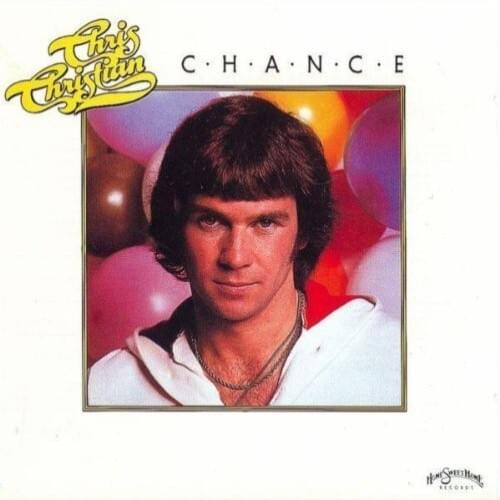
 View Artist