Song Meaning
The lyrics paint a picture of being trapped in a loop of past regrets and lingering thoughts, symbolized by a skipping record. The narrator's mind is described as "thick" with "strains of extinct music," suggesting an overwhelming internal landscape filled with sounds and memories that are no longer current but refuse to fade. This "extinct music" seems to represent past mistakes and unresolved emotional baggage that continue to play on repeat, creating a sense of being stuck.
The central tension lies in the narrator's inability to escape these internal echoes. The "sirens and the silences" in the "lead trajectory of you and me" hint at a relationship or shared past marked by both loud disruptions and quiet voids. The "sound of my mistakes" are described as "dirty little rhythms that never wash away," reinforcing the idea that these past actions have a persistent, almost physical presence. Despite feeling weighed down, the narrator asserts a resilience: "They can hold me down / But I can't drown / These dead sounds."
The most striking imagery is the contrast between the internal state and the external world, particularly the oyster metaphor. While the narrator's mind is burdened by "extinct music," the oysters at the "bottom" are actively transforming "grains of sand into pretty pearls" – a process of creation and beauty from seemingly mundane elements. These oysters are "making sounds I'll never know / And never forget," highlighting a disconnect between the narrator's stagnant internal world and the ongoing, perhaps unnoticed, processes of change and creation elsewhere. The repetition of "my head is thick" emphasizes the inescapable nature of these internal sounds.
This lyrical construction is effective because it grounds abstract emotional states in concrete, albeit surreal, imagery. The "Möbius strip" and "extinct music" create a vivid sense of being caught in a cycle, while the "dirty little rhythms" and the inability to "drown" these "dead sounds" convey a palpable sense of persistent internal noise. The juxtaposition with the silent, productive oysters offers a poignant reflection on the narrator's own inability to move past their "mistakes" and find a way to create something new from their experiences.
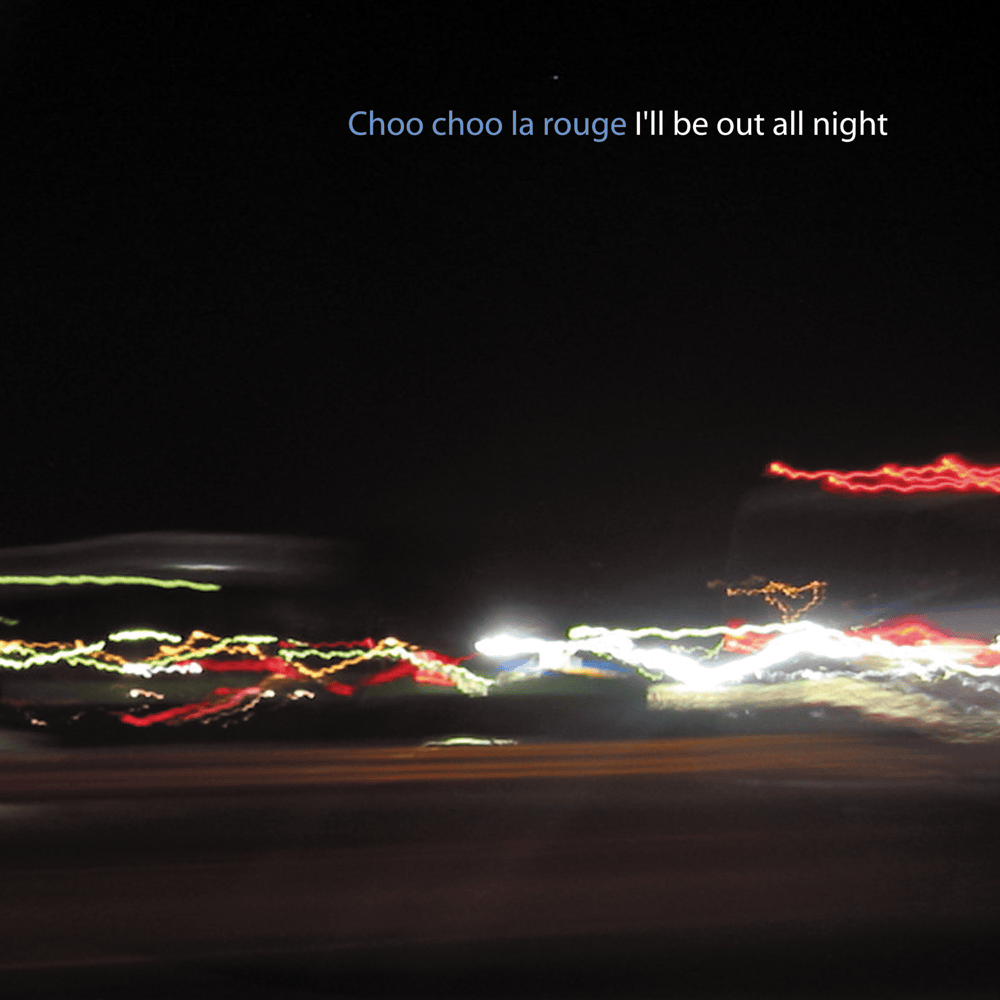
 View Artist