Song Meaning
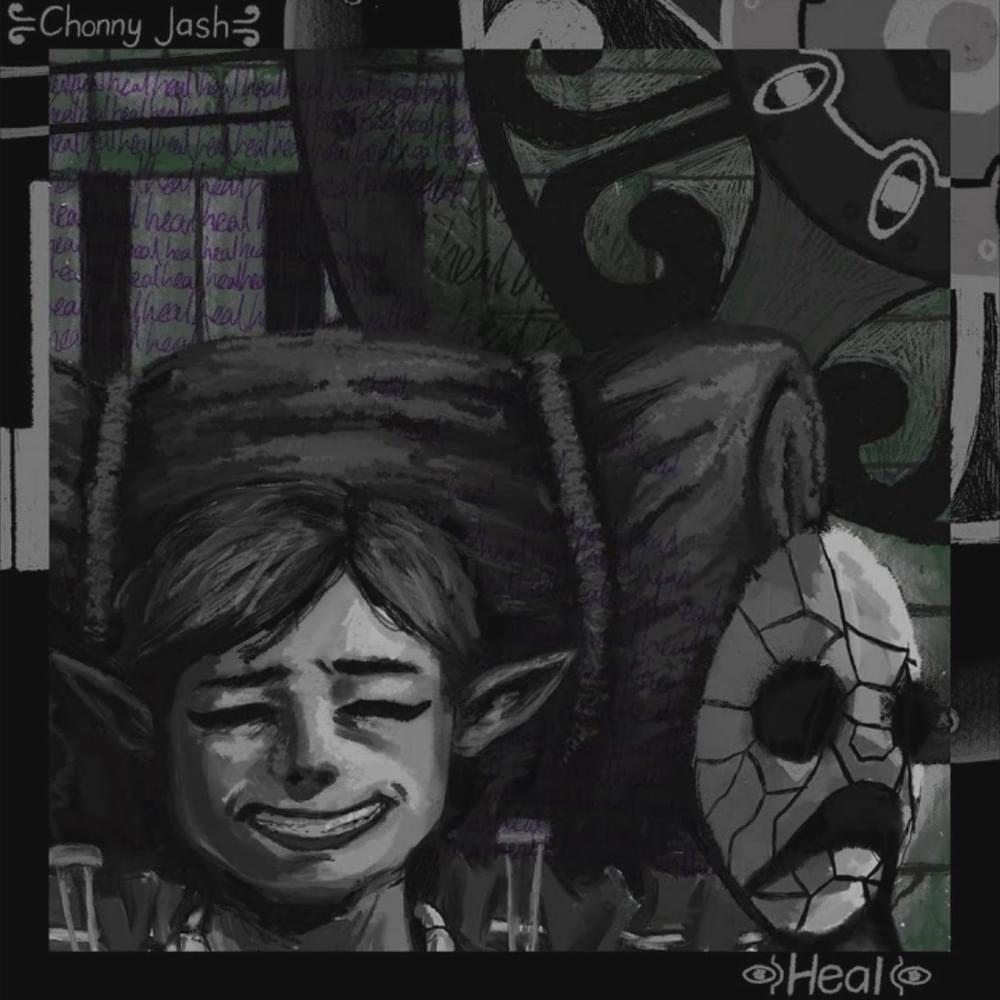
The lyrics paint a grim picture of an encroaching, malevolent force, described as an "evil power" that "draws near." This entity is associated with "rage, spite and fear," and has been "reawakened" after an ancient tribe feared its presence. The narrative suggests a sense of inevitability, as this power "commands the child with no one left" and has now disturbed its slumber, setting a countdown to destruction. The tone is one of dread and resignation, as the narrator laments being deceived by a "ruse" with no power to alter the course of events. The arrival of this force is framed as a cataclysm, with "Majora closes, dread flows in waves," and it has found its "puppet" and "prey." The lyrics explicitly state, "just three more days until your final melody will play," establishing a clear and impending doom.
The central tension lies in the overwhelming, unstoppable nature of this destructive force and the narrator's powerlessness against it. There's a profound sense of regret and a wish to undo past mistakes, captured by the line, "I wish I'd never fallen for his ruse." However, this is immediately countered by the stark reality: "But I've no power to rewind time." This helplessness is amplified by the description of the entity's destructive capabilities: it "will leave this world a hollow shell," "burn the line between life and hell," and "drown in chaos all we've ever held." The invocation of "Gods of ancient times" who "won't hear our call" further emphasizes the isolation and abandonment in the face of this impending disaster.
The most striking aspect of the craft is the relentless build-up of dread through stark, declarative statements and the countdown motif. The chorus, with its commands to "Heal your soul" and the acknowledgment that "It's time to atone," feels like a desperate, almost futile gesture in the face of absolute finality. The repetition of "It's the end" and the stark imagery of "Death descends" and "three more till the blaze" hammer home the inescapable conclusion. The final lines, "Pain is the only thing we still can trust," offer a bleak, nihilistic comfort, suggesting that even in utter devastation, a tangible sensation remains when all else is lost. This focus on the tangible experience of pain as the last vestige of existence is a powerful, unsettling closing note.
What makes these lyrics so effective is their unflinching portrayal of utter despair and the complete absence of hope. The writing doesn't shy away from the finality of the situation, using strong, evocative language like "cataclysm," "hellfire," and "bloodlust" to describe the destructive force. The contrast between the ancient fear of this power and its current, unchecked reawakening creates a sense of cosmic tragedy. The countdown structure, combined with the chorus's call to "Heal" and "atone" which feels tragically out of place given the circumstances, highlights the profound hopelessness. The lyrics succeed by creating a palpable atmosphere of dread and then delivering a conclusion that offers no solace, only the grim certainty of destruction and the lingering presence of pain.
 View Artist