Song Meaning
The lyrics paint a picture of someone trying to lead another through encroaching darkness, urging them to keep pace. There's a sense of frustration from the narrator, who feels their companion isn't following, and a palpable urgency as "powoli się ściemnia" (it slowly gets dark) is repeated. This isn't just about physical movement; it's about shared progress and a fear of being left behind as the light fades.
The central tension lies in the narrator's attempt to guide and the other person's apparent hesitation or inability to keep up. The narrator offers advice, stating "Wiem dlaczego nic Ci nie wychodzi" (I know why nothing works out for you), and uses a striking metaphor: "Problemy mają rogi / Problemy mają nogi" (Problems have horns / Problems have legs). This personifies obstacles as something to be actively overcome, even violently ("Trzeba je upierdolić" - They need to be fucked up), suggesting the companion lacks this decisive action.
The most compelling aspect is the contrast drawn in the outro between "czyjąś" (someone else's) and "swoją" (our own). The narrator emphasizes the unique, shared nature of "nasza piosenka" (our song) and "nasze małe pogo" (our little pogo) against an unnamed "oni" (they) who can only possess something belonging to others. This elevates the song from a personal struggle to a declaration of a unique, shared identity and experience that sets the narrator and their companion apart.
This writing is effective because it grounds abstract feelings of inadequacy and separation in concrete, relatable imagery. The repeated phrase about darkness falling creates a sense of impending doom, while the possessive "our" in the outro offers a powerful counterpoint of belonging and defiance. It’s this blend of personal struggle and collective ownership that makes the lyrics resonate, capturing the feeling of navigating challenges together against a world that doesn't understand.
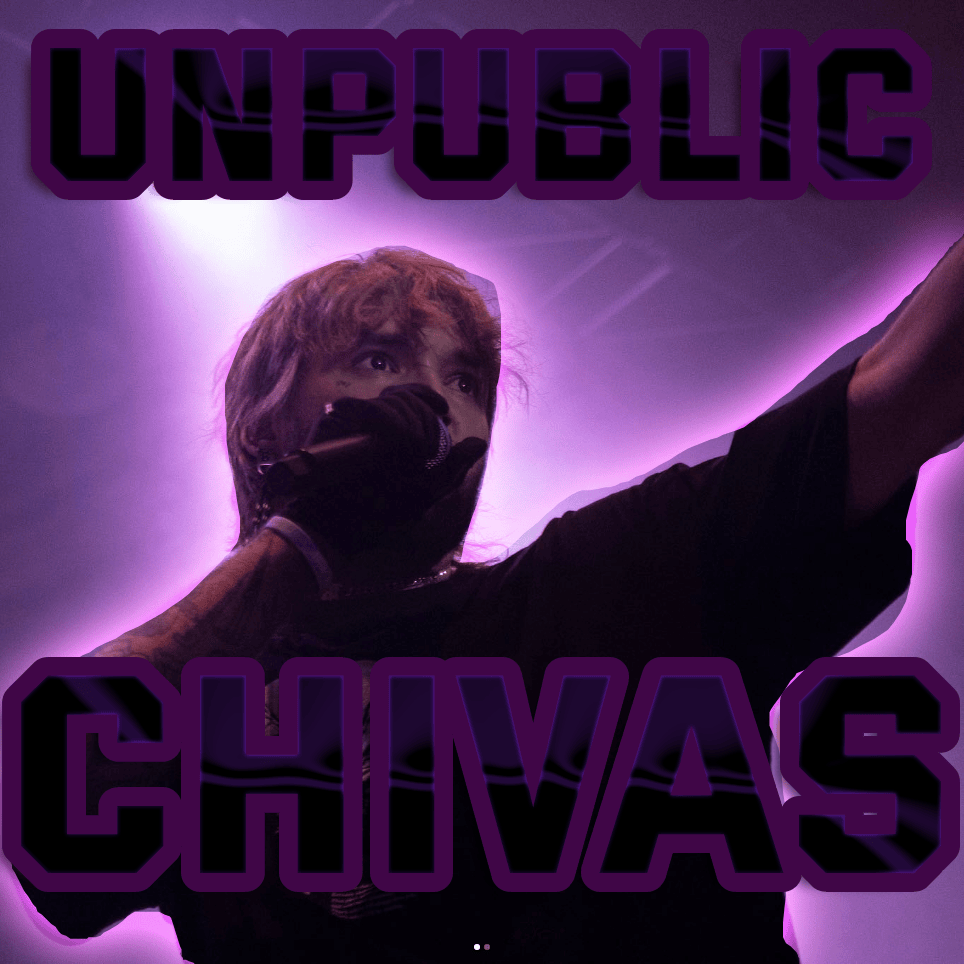
 View Artist