Song Meaning
The lyrics paint a vivid picture of a river's journey, transforming from a natural force to a vital lifeline. It begins as a powerful, almost serpentine entity descending from the mountains, bringing life-giving water to the arid sertão. This initial imagery emphasizes the river's raw, untamed power and its essential role in nurturing the land, described poetically as the "milk of the mother plantation."
The narrative then shifts to the river's profound impact on sustenance and community. It's depicted as a provider, irrigating essential crops like corn, rice, and beans, directly addressing the needs of "the whole nation." This section highlights the river's generative capacity, fostering growth and abundance from seed to harvest, and even accepting the "bagasse" and "leftovers" from the sugarcane fields, showcasing its all-encompassing role in the agricultural cycle.
However, a stark contrast emerges as the lyrics introduce a lament for the river's degradation. The once-pristine water, born clean, is now becoming polluted, with the narrator questioning when its true value will be recognized. This section introduces a poignant critique of human neglect, suggesting that the very act of "poisoning everything" extends to a deeper, more abstract loss, even affecting "one's own love."
Ultimately, the lyrics serve as a powerful ecological plea, directly linking the river's demise to the broader consequences for nature. The narrator poses a rhetorical question, urging a realization that the "nature asks to live." The final lines deliver a somber warning: as the river dies, so too does the potential for anything new to be born around it, underscoring the interconnectedness of life and the devastating impact of environmental neglect.
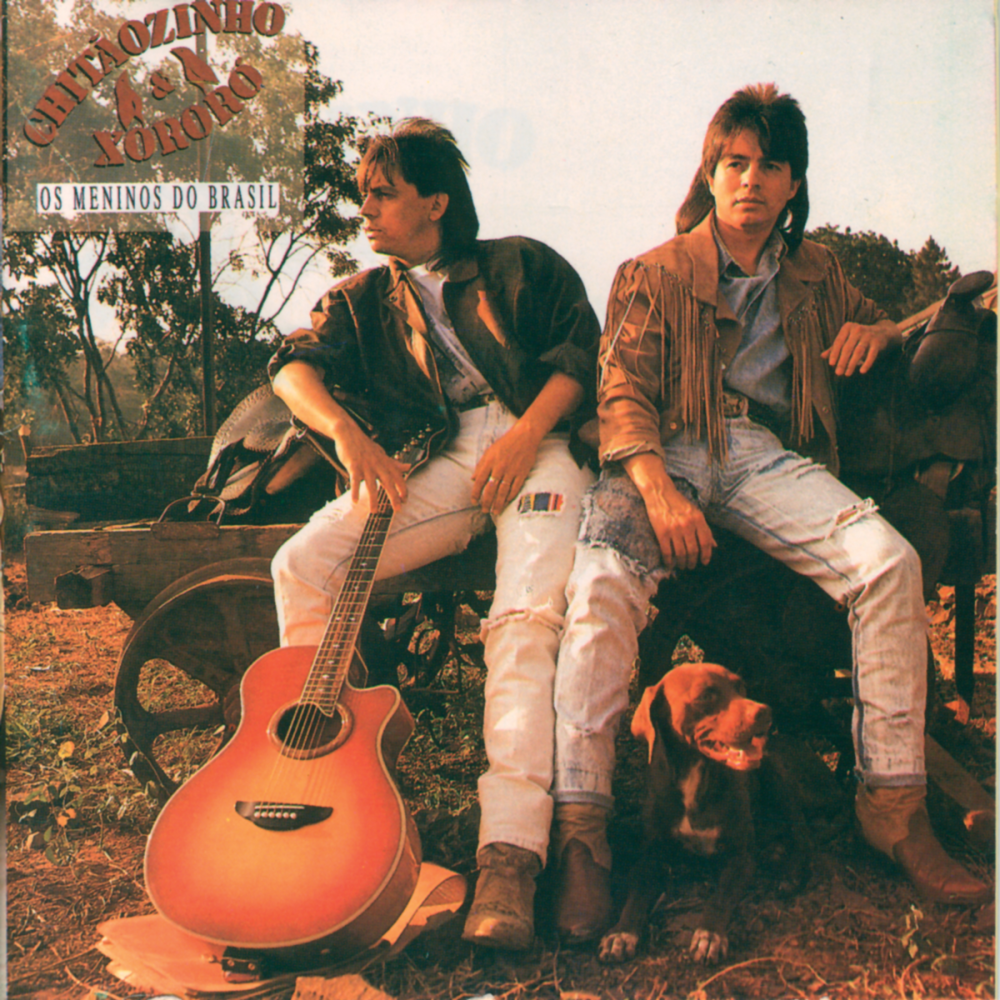
 View Artist