Song Meaning
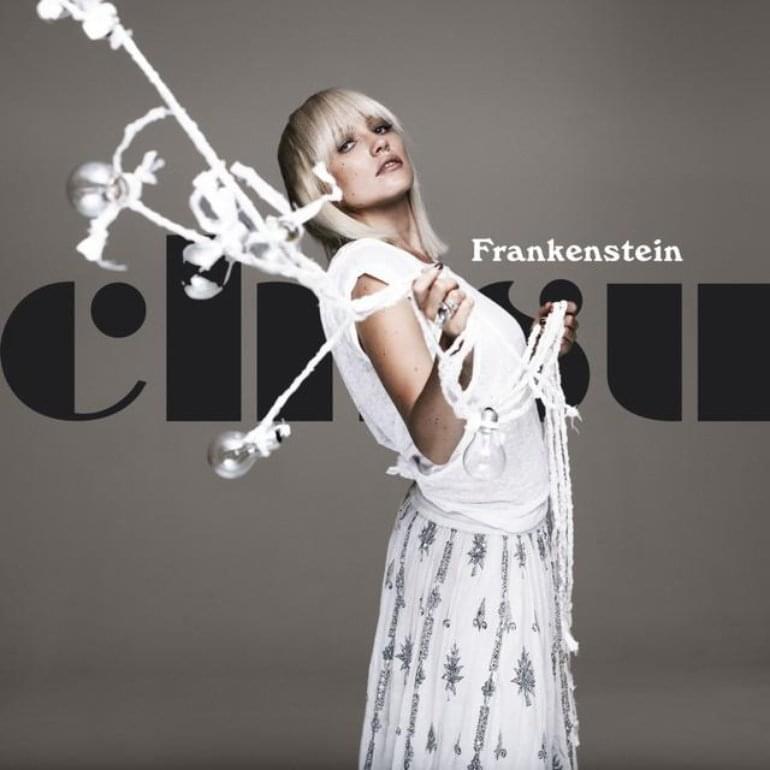
Chisu's "Frankenstein" isn't your typical love song; it’s a darkly comedic and unsettling exploration of obsession, control, and the lengths one will go to create their ideal partner. The track's core concept, referencing Viktor Frankenstein, immediately signals a twisted take on romance. The lyrics reveal a narrator who's been patiently crafting a 'love contraption,' hinting at a calculated and almost scientific approach to finding love, or rather, *making* it. The opening lines establish a desire for a 'specimen,' a 'Julio' to complete her, suggesting a deep-seated feeling of incompleteness driving the quest. The narrator's self-proclaimed shyness and cleverness add layers of complexity. She’s not simply longing; she’s scheming. The lyrics hint at a feeling of being hidden away, 'lurking,' which suggests a sense of social alienation or perhaps a fear of vulnerability that fuels her unconventional methods.
The song takes a turn when the narrator encounters her chosen one in a nightclub. The almost predatory excitement is palpable as she describes the glittering lights and her pounding heart. The line 'Just one hair, I mantra, I can do this' is particularly chilling, revealing the meticulous and almost ritualistic nature of her plan. Stealing DNA during a dance is both absurd and disturbing, highlighting the narrator's complete disregard for consent and ethical boundaries. This isn't about love; it’s about possession and the creation of a personalized fantasy. The chorus, where she vows to love her creation 'through life and after death,' reinforces the depth of her obsession and the unnatural commitment she feels towards her 'beibe.'
The final verses introduce a layer of existential questioning. The lines 'Someone will melt us together / And baby we'll kiss again in an embrace' suggest a desire for eternal union, even if it's manufactured. The rhetorical question, 'And who says that utter desolation / Is supposed to be eternal love?' challenges conventional notions of love and happiness. Perhaps the narrator is arguing that even a constructed, obsessive love is preferable to loneliness. The song cleverly uses the Frankenstein metaphor to explore themes of loneliness, the desire for control, and the blurred lines between love and obsession. Chisu’s "Frankenstein" ultimately leaves the listener pondering the unsettling question of what it truly means to love, and at what cost.
 View Artist