Song Meaning
The lyrics paint a stark picture of a hometown where the daily grind leads to profound disillusionment. The opening lines establish a sense of routine, "Day after day / In my hometown," but quickly pivot to a critique of the prevailing mindset, suggesting a forced pride that masks a deeper reality. The narrator dismisses the need for political figures, implying that the true issues lie within the community's own struggles and the emotional toll they take.
The central tension emerges from the contrast between perceived pride and the harsh reality of economic hardship. The repeated image of "grown men / Who've worked for years / In return, in a word / Are reduced to tears" powerfully illustrates this. It's a raw depiction of dashed expectations, where years of labor don't yield security or dignity, but instead, profound sorrow. This emotional devastation is presented as a consequence of the town's underlying conditions, not external manipulation.
The lyrics employ a striking, almost cynical, redefinition of societal success: "Survival of the happiest." This phrase flips the common notion of survival of the fittest, suggesting that in this environment, emotional resilience or perhaps a willful ignorance is the only way to cope. The repetition of "mindless politician" underscores the narrator's belief that external leadership is irrelevant or even detrimental to the town's actual problems, which are deeply personal and economic.
Ultimately, the effectiveness of these lyrics lies in their unvarnished portrayal of quiet desperation. The cyclical nature of "Day after day" and the melancholic "Rain fall on down" create a somber atmosphere. The final lines, "Stay who will stay / In the old town," carry a weary resignation, hinting that the town's hardships might be driving people away, leaving only those who can endure its particular brand of sorrow.
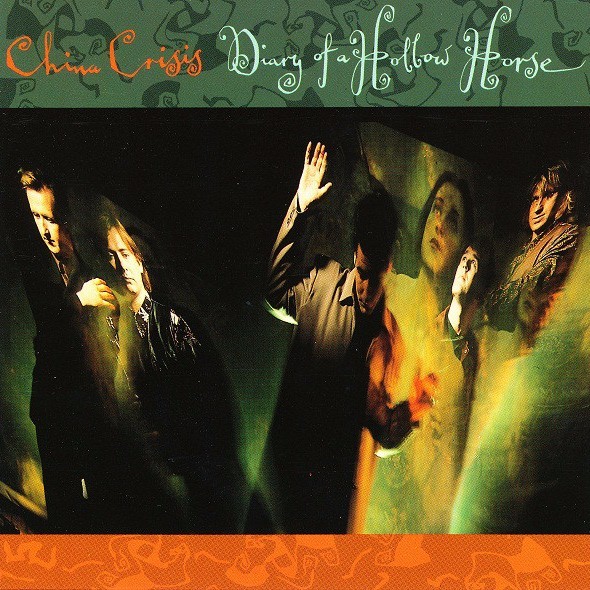
 View Artist