Song Meaning
The early morning hours, just before dawn, find the narrator isolated while the rest of the world is either asleep or engaged in love. The repeated line "Il est bientôt cinq heures" (It's almost five o'clock) sets a stark temporal frame, emphasizing the approaching light and the departure of others, yet the narrator remains "seule" (alone). This solitude is amplified by the contrast with the "monde entier fait l'amour" (the whole world makes love), a powerful image of collective intimacy that the narrator is excluded from.
The central tension lies in this profound disconnect between the narrator's internal state of sorrow and the external world's perceived joy and connection. The phrase "Le jour se lève sur ma peine" (The day rises on my sorrow) is a poignant personification, suggesting that even the dawn, a symbol of new beginnings and light, brings no solace but rather illuminates her sadness. This feeling is intensified by the knowledge that others are leaving, further cementing her isolation.
The most striking aspect of the lyrics is the narrator's defiant, almost ritualistic dance "pour toi, pour toi que je danse" (for you, for you I dance). Despite the overwhelming loneliness and the world's indifference to her pain, she finds a singular purpose in this dance, directed towards an unseen "toi" (you). This act transforms her passive sorrow into an active, albeit solitary, expression of devotion or remembrance, a private ritual against the backdrop of universal connection.
This lyrical construction is effective because it grounds a universal feeling of loneliness in very specific, sensory details of time and place. The repetition of key phrases creates a hypnotic, almost obsessive quality, mirroring the narrator's fixation on her sorrow and her singular focus on the person she dances for. The contrast between the external world's activity and her internal stillness, punctuated by this solitary dance, makes her emotional state palpable and deeply resonant.
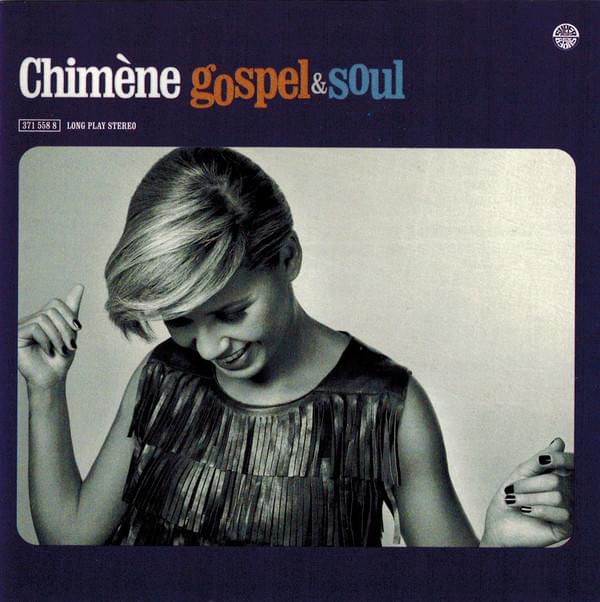
 View Artist