Song Meaning
The lyrics paint a picture of the transformative power of singing, presenting the act as a conduit to a heightened state of being. The narrator suggests that the singer, "Celui qui chante," experiences a profound rebirth, finding not just life but also a primal "cri" – a cry or shout – reminiscent of a divine child. This isn't just about joy; it's about rediscovering fundamental vitality and strength, feeling oneself grow and sensing power "au bout des doigts" (at the fingertips).
Despite this elevated state, the lyrics acknowledge a shared humanity. The singer "se cherche des raisons comme nous" (looks for reasons like us) and "se pose des questions comme nous" (asks questions like us), grounding the experience in relatable human searching. Yet, a crucial distinction emerges: "quelque chose l'emporte au-dessus de tout" (something carries him above it all). This unnamed force, intrinsically linked to the act of singing, elevates the singer beyond ordinary struggles, making him "si fort que rien au monde ne peut l'atteindre" (so strong that nothing in the world can reach him).
The repeated, almost mantra-like refrain of "Celui qui chante" emphasizes the central subject, building a sense of incantation and reinforcing the idea that this identity is defined by the act itself. The later parenthetical asides – "A tant d'amour" (Has so much love), "A tant d'amis" (Has so many friends), "Dans sa tête à lui" (In his own head) – add a layer of complexity. They suggest that while the singer possesses an inner richness and perhaps a unique internal world, these qualities might be perceived differently by others, or exist primarily within his own consciousness, hinting at a beautiful, self-contained existence.
Ultimately, the lyrics propose that singing offers a unique form of resilience and inner peace. The singer achieves "regards de vrai bonheur" (looks of true happiness) and is described as "heureux, malheureux comme nous" (happy, unhappy like us), indicating that the emotional spectrum remains, but the singing provides an overarching strength. This strength isn't about escaping emotion but about finding a profound, almost invincible contentment rooted in the act of vocal expression and the internal world it cultivates.
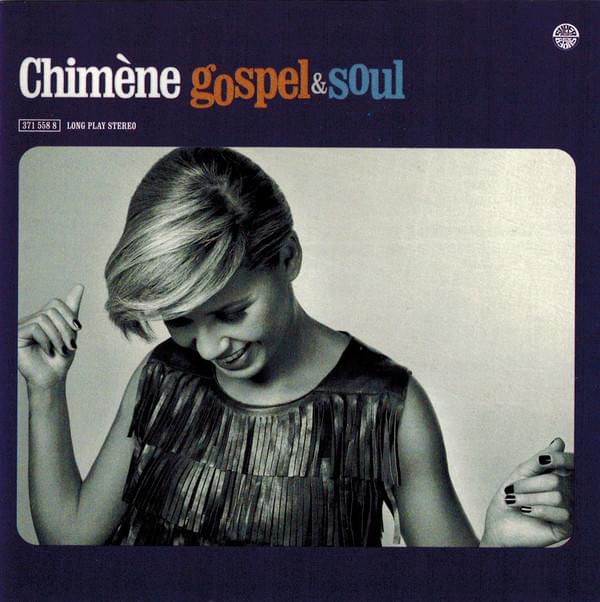
 View Artist