Song Meaning
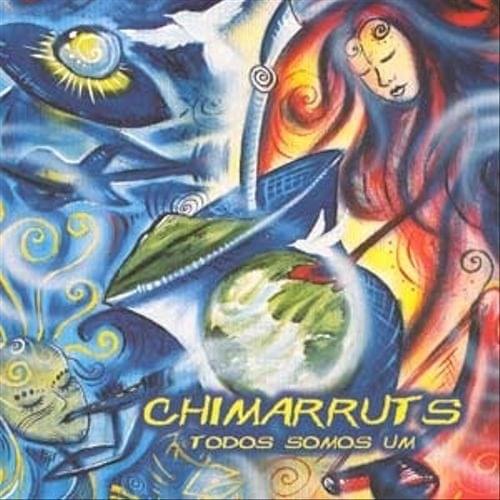
The lyrics paint a poignant picture of a world in distress, directly addressing "Mãe Terra" (Mother Earth) with a plea for peace and an end to her tears. The narrator expresses a deep personal sadness, observing a profound lack of compassion and peace among humanity. This internal emptiness mirrors the external chaos, creating a palpable sense of shared suffering.
The central tension arises from the contrast between humanity's freedom to act and the irreversible consequences of those actions. The lyrics highlight the destructive path taken, marked by "guerras e desunião" (wars and disunity) and "poluição" (pollution). Despite this mistreatment, the Earth is depicted as resilient and forgiving, "sempre estender a mão" (always extending a hand), a stark reminder of its unconditional support.
The most striking aspect is the personification of Earth as a grieving mother, "Mãe terra não chores mais." This intimate address imbues the environmental and social crises with a deeply personal, familial weight. The narrator's "coração vazio" (empty heart) and the "falta de amor" (lack of love) felt are directly linked to the Earth's suffering, suggesting a spiritual and emotional interconnectedness that transcends the physical.
Ultimately, the effectiveness of these lyrics lies in their direct, almost childlike plea for empathy and awareness. By framing the environmental and social issues as a personal heartbreak felt by both the narrator and Mother Earth, the song compels a visceral response. It forces a contemplation of our actions and their lasting impact, urging a shift towards peace and love before it's too late to turn back.
 View Artist