Song Meaning
This track kicks off with a stark declaration of a brutal reality: "Survival of the fittest." It immediately sets a tone of intense struggle, hinting at a deep internal conflict. The narrator feels a void, a missing part that needs to be "awaken," suggesting a dormant potential or a lost sense of self. This internal void is directly contrasted with a powerful external motivation: "Revival of everything I'd live and die for."
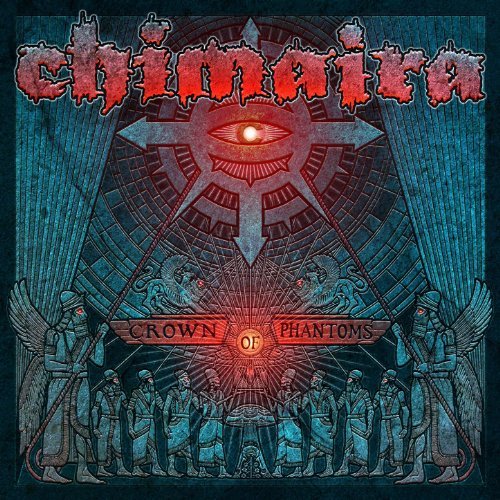
There's a palpable sense of no return. The line "Too late to go back now" coupled with "The walls are crashing down" paints a picture of an inescapable, overwhelming situation. The narrator invites someone, or perhaps an aspect of themselves, to "Walk with me through misery," acknowledging the hardship ahead. This shared suffering is then framed by the striking image of wearing "the crown of phantoms," a potent metaphor for embracing or ruling over one's past struggles and spectral regrets.
The lyrics pivot dramatically towards a fierce self-empowerment. The narrator advocates for a ruthless pragmatism – "Devour the weak" – but immediately balances it with an uplifting counterpoint: "Empower the meek." This isn't just about personal strength; it's about finding and unleashing a primal force, "the beast inside of me," to achieve greater power. This newfound strength is explicitly tied back to the initial motivation, promising growth "For everything I'd live and die for."
The resolution comes through a cathartic purging. The command to "Erase the ghosts from the past" and "Awake, release the anger at last" signifies a decisive break from what haunts them. The repeated invitation to "Come walk with me through misery" now feels less like a plea for shared suffering and more like a confident stride into a challenging future, armed with a reclaimed self and a potent, awakened inner strength.
 View Artist