Song Meaning
The lyrics paint a picture of a disorienting relationship, centered on a captivating but unsettling figure. The narrator is drawn in by her gaze, describing it as something that "kill[s] me with those eyes." This intensity is coupled with a sense of ephemerality; she "haunts me in the night but she'll be gone in the morning." The recurring image of her "favourite smile is one that never feels right" immediately establishes a core tension: an outward appearance of pleasantness that clashes with an underlying unease.
The central conflict seems to stem from the narrator's desperate hope for genuine connection versus the perceived inauthenticity of the other person. The narrator pleads for honesty, asking "Why don't you tell me something?" while simultaneously acknowledging a paralyzing fear of change, stating "Still I'm scared the same." This creates a push-and-pull, a desire for the person to "be different" while fearing that even a change wouldn't alter the fundamental dynamic or alleviate the narrator's anxiety.
What's particularly striking is the way the lyrics use sensory details to convey emotional states. The phrase "All her colours spin into one" suggests a loss of clarity, a merging of distinct qualities into an overwhelming, perhaps confusing, whole. The narrator's physical reaction, "My arms left down frozen and numb," powerfully illustrates a feeling of helplessness and emotional shutdown in the face of this person's presence. The repetition of "You may be different girl" in the outro, immediately followed by "It's still just the same," hammers home the narrator's resignation and the cyclical nature of their disappointment.
Ultimately, these lyrics resonate because they capture the painful experience of wanting someone to be more than they are, or perhaps more than they appear to be. The writing effectively uses contrasting imagery – the captivating eyes versus the unsettling smile, the desire for difference versus the fear of the same – to articulate a deep-seated uncertainty about the reality of the relationship. The narrator is caught in a loop, questioning "Is it real?" as they grapple with an attraction that feels both potent and fundamentally hollow.
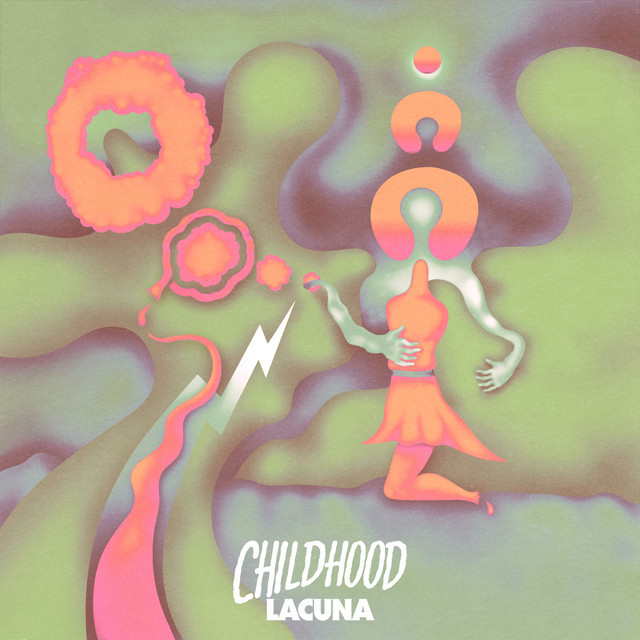
 View Artist