Song Meaning
The lyrics pulse with a fierce desire to live, a direct response to the ever-present reality of death. The opening line, "Quero viver" (I want to live), is a powerful declaration that sets the tone, immediately contrasting with the acknowledgment that "death is born." This isn't a passive acceptance of mortality, but an active, almost defiant stance.
The central tension lies in the juxtaposition of life and death, framed not as an enemy to be fought, but as a natural, albeit unsettling, companion. The narrator states, "A morte não é vingança" (Death is not revenge), suggesting a redefinition of its role. Instead of a punishment, it's presented as something that "kisses and rocks," a more intimate, perhaps even tender, interaction that still underscores its inevitability.
The craft here is in the repetition and the stark imagery. The phrase "Queremos, quero viver" (We want, I want to live) is repeated, amplifying the urgency and shared nature of this desire. The image of "a house gone mad" ("casa enlouquecida") vividly captures the chaotic, overwhelming feeling of navigating life when death is so close, making the simple act of living each day ("dia depois do outro") a profound act of care and resilience.
Ultimately, these lyrics resonate because they articulate a universal human struggle with such directness and raw emotion. The writing doesn't shy away from the darkness, but uses it to illuminate the preciousness of life, making the repeated plea to live feel both deeply personal and universally understood.
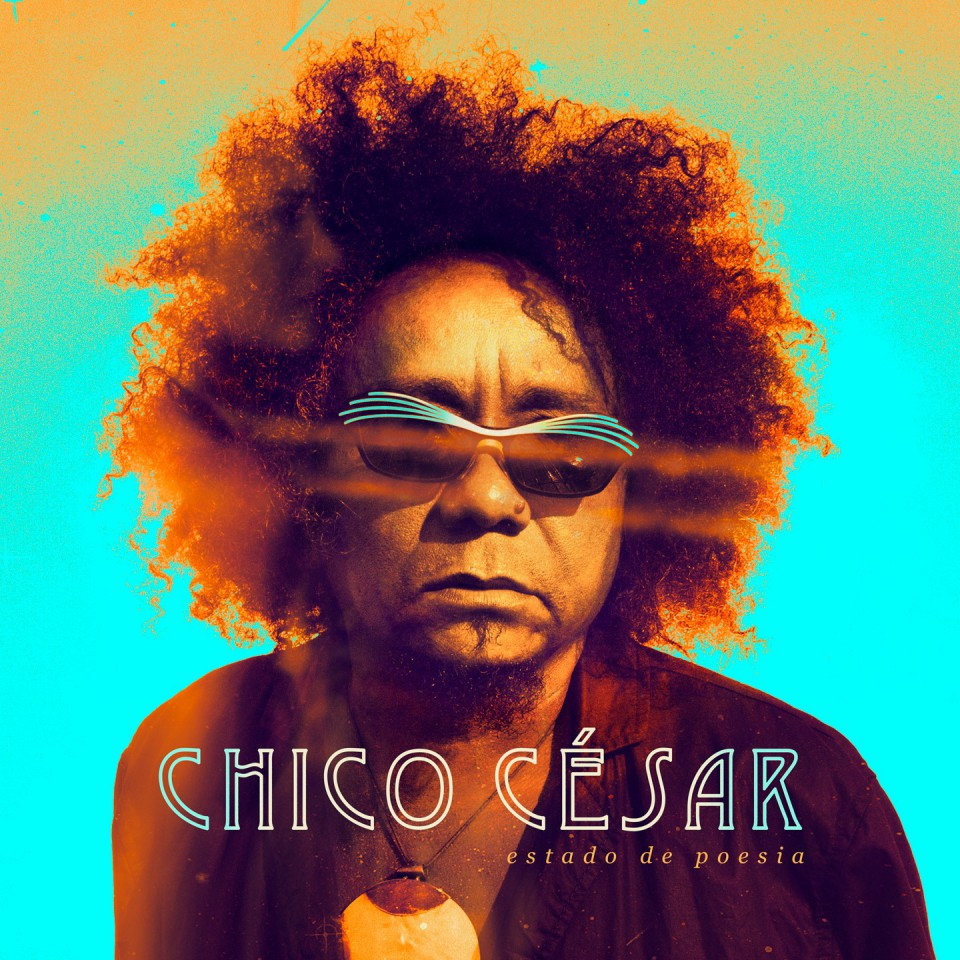
 View Artist