Song Meaning
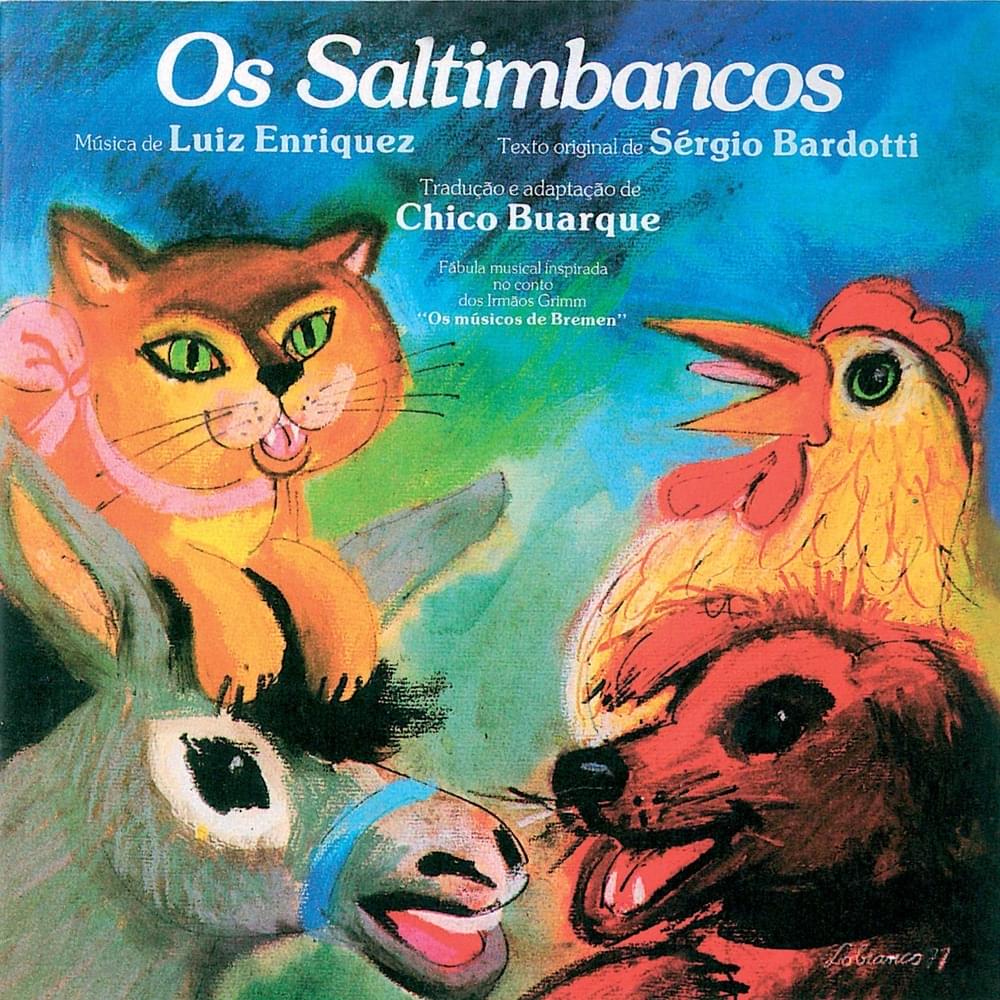
The narrator, a chicken, reflects on the eggs she's laid, each one a reminder of her grandfather. This initial connection to lineage and effort is abruptly interrupted by a feeling of being 'blocked,' leading to unsettling dreams of 'gemada' (custard/egg yolk concoction).
The core tension arises when the chicken's 'scarce production' alarms her boss, who contrasts her with 'serious chickens' who 'never take vacations.' The boss's threat is stark: she's too old, will be kept on the farm, and ultimately turned into 'canja' (a chicken soup). This reveals a harsh, exploitative system where aging workers are discarded.
The most striking craft element is the sharp pivot from the domestic, almost tender imagery of eggs and grandfathers to the brutal economic reality of the farm. The narrator's realization, "Ah!!! é esse o meu troco / Por anos de choco???" (Ah!!! is this my reward / For years of brooding???), is a moment of bitter clarity. Her response—a defiant peck and flight—is a powerful act of self-preservation against a system that values her only for her output.
This narrative's effectiveness lies in its unexpected perspective and the stark contrast between the natural act of laying eggs and the cold, capitalist logic imposed upon it. The final lines, wishing for more 'beaks' to make the 'big cage of my country' happier, suggest a complex, perhaps ironic, commentary on national identity and the collective experience of being exploited within a larger system.
 View Artist