Song Meaning
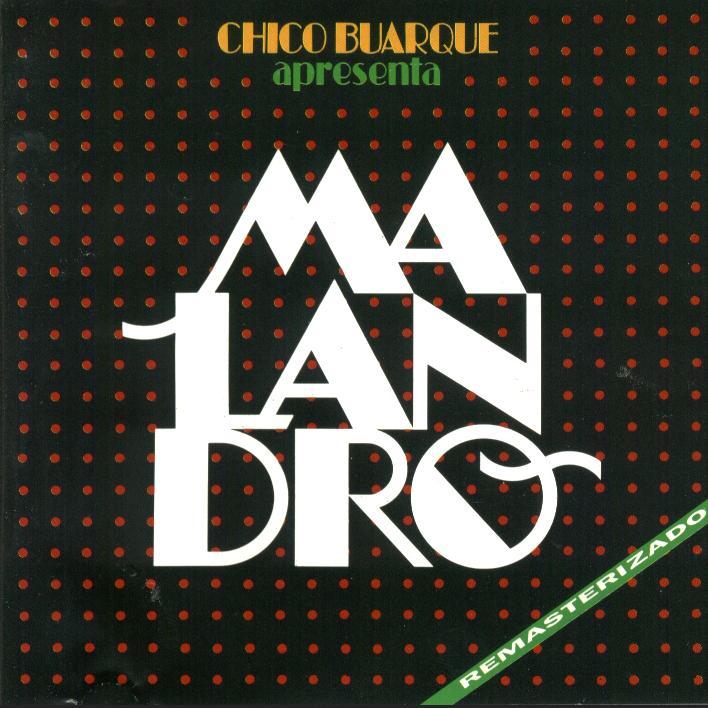
The "malandro" reappears in the public square, moving with a deliberate, almost balletic caution. He steps as if treading on hearts, remnants perhaps of past nights in the cabarets. This isn't just a return; it's a re-entry into a familiar, yet volatile, landscape.
The lyrics immediately establish a world of stark contrasts, where the malandro navigates "entre deusas e bofetões," between the divine and the brutal. He exists amidst the high stakes of "dados e coronéis" and the cultural clash of "parangolés e patrões." His movement, described as "de viés," suggests an indirect, strategic approach to life, never quite head-on, always observing from the periphery.
What makes this figure so compelling is his self-awareness and calculated patience. He walks "na ponta dos pés," a precise, almost delicate movement that belies the weight of the "corações que rolaram" in his wake. This carefulness is not weakness, but a strategic pause. He waits for the tide to settle, for "a poeira assentar no chão," before making his next move.
Ultimately, the malandro isn't just a wanderer; he's a figure of quiet power. He allows the square to transform into his own domain, a grand "salão," because he understands his place within it. The declaration that he is the "barão da ralé" — the baron of the rabble — is a potent, self-appointed title, solidifying his status as a leader among the overlooked, a master of his own chaotic realm.
 View Artist