Song Meaning
The speaker confronts a former lover, declaring, "Você não sabe amar, meu bem" (You don't know how to love, my dear). It's a stark, direct accusation, softened slightly by the term of endearment. The relationship is definitively over, framed as a necessary and even beneficial conclusion for both parties.
The core tension lies in the speaker's perceived wisdom versus the listener's inexperience. Lines like "Nunca viveu, nunca sofreu / E quer saber mais que eu" (Never lived, never suffered / And wants to know more than me) highlight this imbalance. It suggests a deep frustration with the other person's naiveté or arrogance, which ultimately doomed the connection.
The use of affectionate terms like "meu bem" and "querida" alongside such cutting criticism is particularly striking. This contrast creates a complex emotional tone, suggesting either a lingering tenderness despite the breakup or a deliberate, almost ironic distance. It implies the speaker isn't entirely devoid of feeling, even as they deliver a harsh truth.
These lyrics are effective in their blunt honesty and the sense of mutual, if painful, agreement. The repeated phrase "E foi melhor assim" (And it was better this way) evolves into "melhor para você / E foi também melhor pra mim," solidifying the breakup as a shared, positive outcome. This shift from individual accusation to mutual benefit gives the ending a mature, if somewhat resigned, finality.
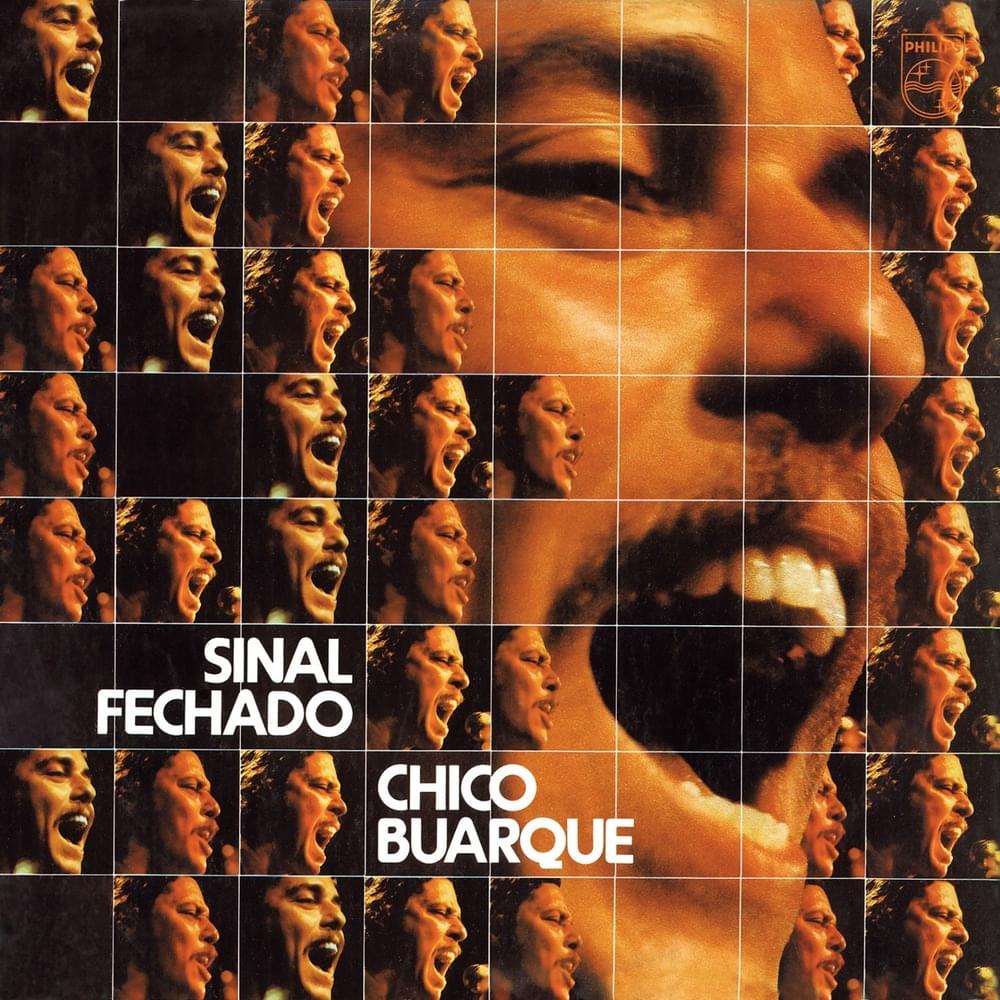
 View Artist