Song Meaning
This song paints a stark picture of a relationship's end, focusing on the practical and emotional residue left behind. The narrator offers a pragmatic division of possessions, from the symbolic "disco do Pixinguinha" to the "sobras de tudo que chamam lar." There's a clear, almost detached, inventory of what remains: "sombras de tudo que fomos nós" and the "marcas do amor nos nossos lençóis." This initial scene sets a tone of somber acceptance, a quiet dismantling of a shared life.
The core tension lies in the narrator's refusal to give their former partner the satisfaction of witnessing their pain. Despite acknowledging the "estragado" and a "peito tão dilacerado," the narrator asserts a powerful self-preservation: "não vou lhe dar / O enorme prazer de me ver chorar." This isn't about ignoring the hurt, but about controlling its presentation, a final act of agency in the face of loss. The offer of "ajuda do seu futuro amor / Pro aluguel" adds a layer of bitter irony, highlighting the finality and the narrator's own precarious situation.
The craft here is in the understated, almost mundane details that carry immense emotional weight. The act of taking only "a carteira / De identidade" and "uma saideira" speaks volumes about what is truly essential versus what is being left behind. The phrase "trocando em miúdos" itself, meaning to break something down into small details or to settle accounts, perfectly encapsulates the song's approach. It's a meticulous, almost business-like accounting of a failed love, underscored by the lingering "muita saudade."
Ultimately, the effectiveness of these lyrics comes from their unflinching honesty about the aftermath of a breakup. It captures that specific, quiet devastation where the grand gestures are over, and all that's left is the practical, painful business of dividing up the remnants of a life. The narrator's final, almost resigned departure, marked by "a leve impressão de que já vou tarde," resonates with the feeling of moving on, however reluctantly, from what once was.
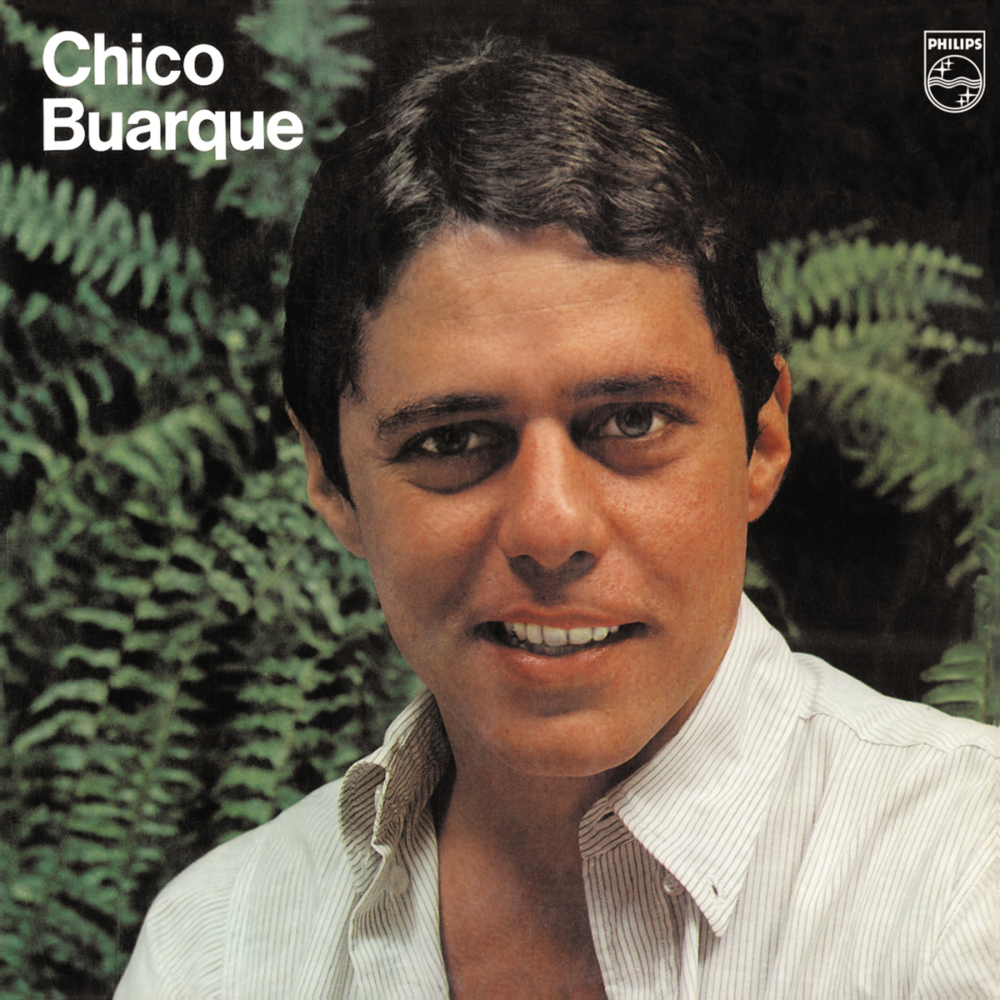
 View Artist