Song Meaning
The lyrics paint a vivid picture of a narrator desperately trying to avoid a painful memory, personified by "Maria." The immediate impulse is to steer clear of her name, as it acts as a direct trigger for a day the narrator "is not good to remember." This avoidance isn't just a preference; it's a conscious, almost ritualistic act of self-preservation.
The core tension lies in the inescapable nature of these memories. Maria is intrinsically linked to the "sea," which in turn conjures "that day." This chain reaction is relentless, bringing with it "sadness," "agony," and "sea spray." The wind's "whistle" becomes a haunting echo, a sound that mirrors the "suffering" the narrator feels was undeserved. The lyrics emphasize how a simple name can unleash a tempest of negative emotions.
The most striking craft element is the pervasive use of associative imagery, creating a cascading effect of dread. The sea isn't just a backdrop; it's a force that "pulls the current," mirroring the way the memory pulls the narrator under. The repetition of "Que lembra" (which remembers) builds this sense of inevitability, each association leading closer to the unbearable day. The narrator's plea, "Don't speak of her, I conjure you," highlights the active struggle against this mental onslaught.
What makes these lyrics so effective is their raw portrayal of how a single trigger can dismantle a person's present state. The transformation of the external world – the "time gets dark," the "sea agitates" – reflects the internal "turbilhão" (whirlwind) and "miséria" (misery) in the narrator's heart. The refusal to "remember" at the end, despite the chain of associations, is a powerful, albeit fragile, act of defiance against overwhelming emotional pain.
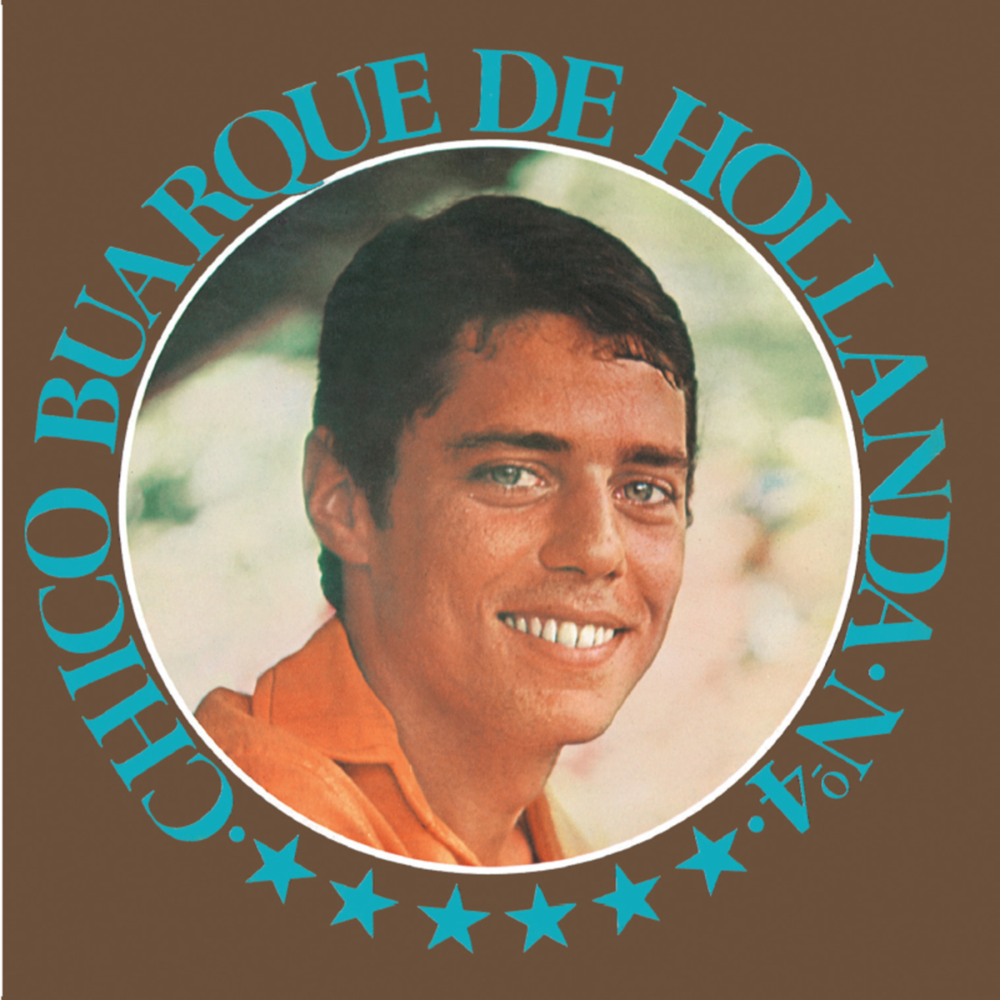
 View Artist