Song Meaning
These lyrics paint a vivid picture of solitary longing and profound disappointment. A speaker waits by the sea, their voice and instrument ready, but the intended listener never arrives. It's a quiet scene steeped in the ache of unfulfilled expectation.
The central emotional tension stems from a prepared gesture of beauty — "Preparei para você uma lua cheia" — met with stark absence and rejection: "E você não veio / E você não quis." This simple, direct statement lays bare the core of the speaker's sorrow, highlighting the effort made and the painful lack of reciprocation. The repetition of "E você não" underscores the finality of this non-event, leaving the speaker in a state of suspended animation.
What truly elevates these lyrics is the way the speaker's musical instruments become extensions of their emotional state. The viola "desconsola, chora notas / Pra ninguém ouvir," and later, the violão "ficou tão triste." This personification makes the internal pain almost audible, transforming the instruments into sympathetic companions in sorrow. It's a powerful way to convey a deep, personal grief that feels both intimate and universal.
Ultimately, the lyrics are effective because they articulate the quiet devastation of being left creatively and emotionally adrift. The line "Mas você me navegou / Mares tão diversos / E eu fiquei sem versos / E eu fiquei em vão" suggests a past relationship that consumed the speaker, leaving them not just heartbroken, but stripped of their very means of expression. This profound sense of creative paralysis, of being rendered "em vão" (in vain), hits hard, capturing the lingering impact of a connection that ultimately diminished rather than inspired.
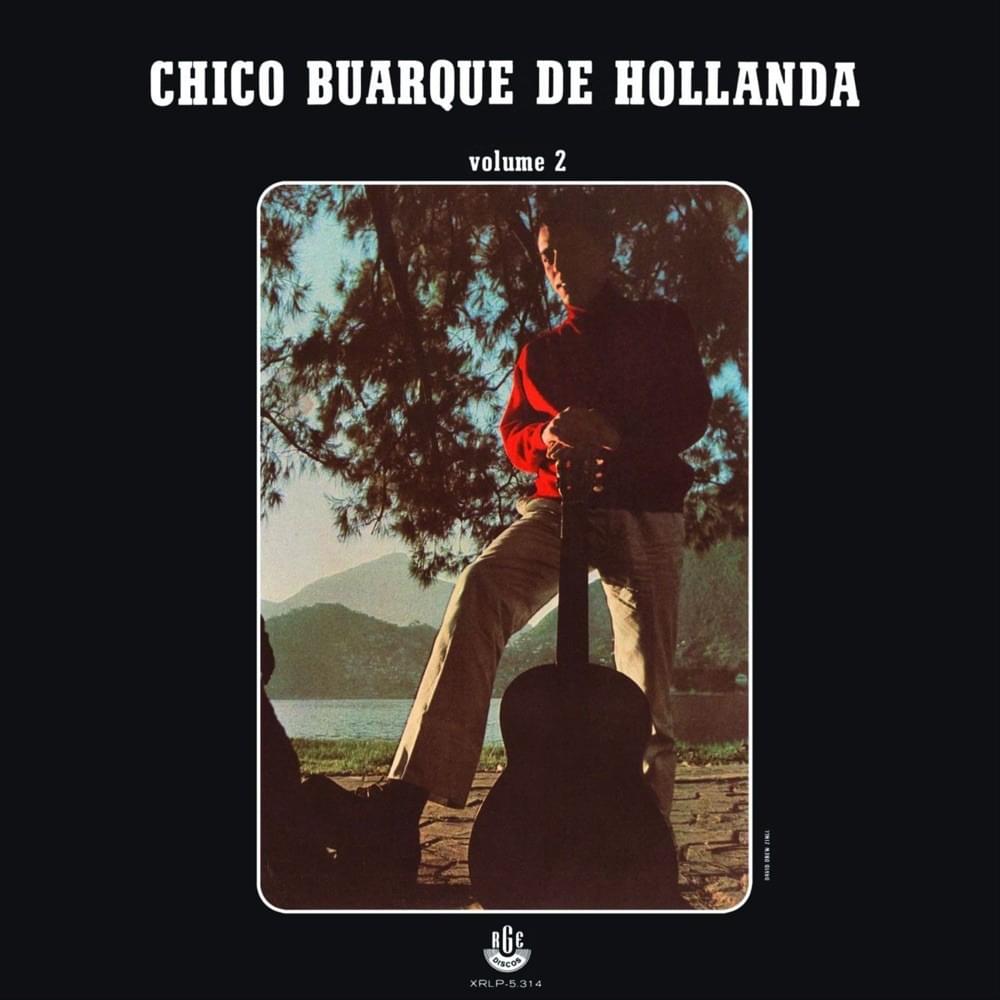
 View Artist