Song Meaning
The lyrics paint a picture of a poignant farewell, tinged with a lingering affection. The opening lines, "Ciao, ciao, addio," set a definitive tone of departure, yet immediately soften with the promise, "Ti ricorderò" (I will remember you). This isn't just a simple goodbye; it's the end of something deeply cherished, described as "La canzone più bella / Che non scriverò mai" (The most beautiful song / That I will never write). This suggests a love or connection that was profound but perhaps ultimately unfulfilled or unexpressed in its entirety.
The central tension lies in the irreversible nature of the separation versus the enduring impact of the relationship. The narrator acknowledges, "Essere mia / Non potrai mai più" (You can never be mine / Again), a clear statement of finality. However, this is immediately countered by the image of a persistent light: "Ma negli occhi tuoi / E' rimasta una stella / Non la spegnere mai, mai" (But in your eyes / A star has remained / Never, never extinguish it). This "star" represents a lasting essence or memory that the narrator desperately hopes will endure, even beyond their physical presence.
The craft here is in the delicate balance between acceptance and wistful hope. The lines "Non è proibito / Pensare che ti ha tanto amato" (It is not forbidden / To think that I loved you so much) and the subsequent imagery of "navi nel porto" (ships in the harbor) and "mille speranze" (a thousand hopes) reveal a narrator who, while saying goodbye, still allows themselves the solace of memory and the possibility of a future reunion, however unlikely. The repetition of "Ciao, ciao, addio" in the chorus, juxtaposed with "Ma che importa se / Tu sarai con me / Senza un appuntamento" (But what does it matter if / You will be with me / Without an appointment), emphasizes a shift from physical presence to an internalized, spiritual connection that transcends the need for conventional meetings.
Ultimately, the effectiveness of these lyrics stems from their honest portrayal of love's enduring echo. The narrator isn't clinging to a false hope but is finding a way to carry the significance of the past forward. The beautiful, melancholic imagery of the unwritten song and the inextinguishable star creates a powerful sense of what is lost, while simultaneously affirming that some connections leave an indelible mark, shaping us even after they've passed.
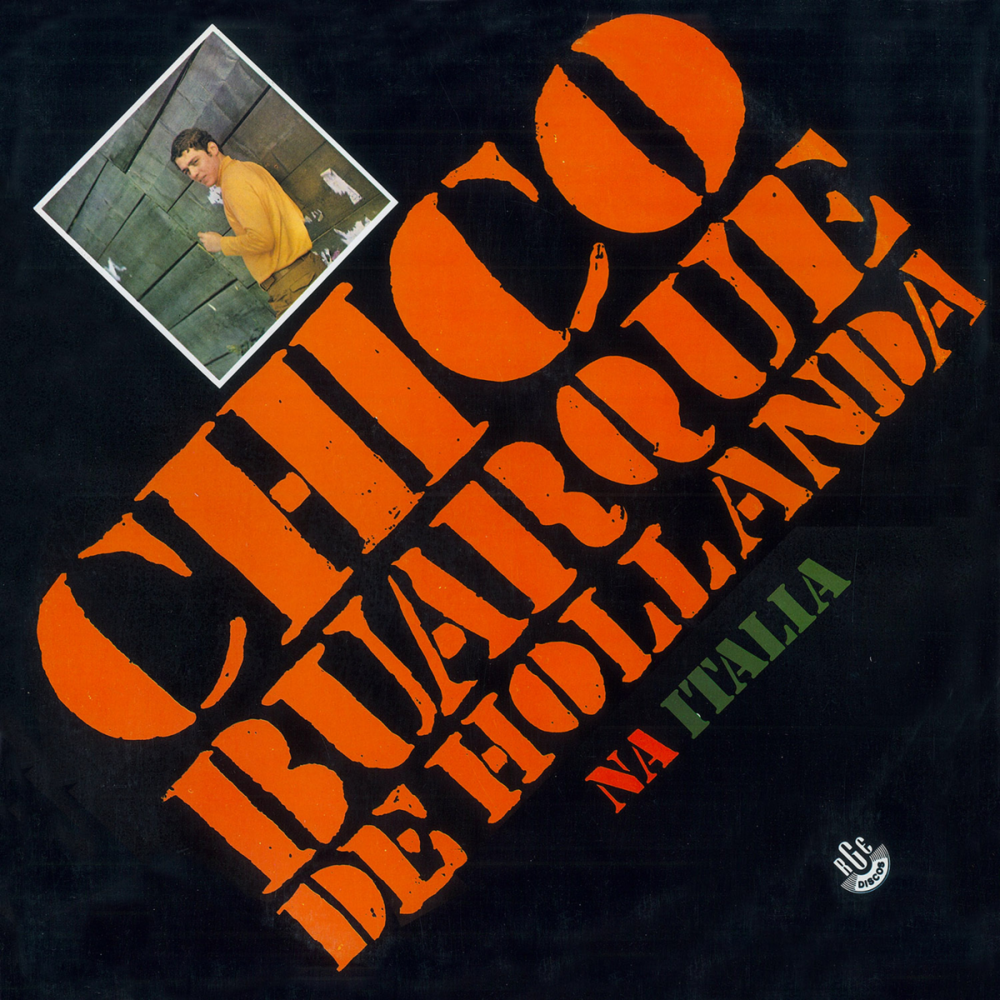
 View Artist