Song Meaning
The narrator feels overwhelmed by the weight of love, pain, and life, finding that his small cavaquinho can no longer contain it all. There's a deep longing to express this immense suffering, to channel it into his "chorinho" (a Brazilian musical genre often associated with melancholy and saudade), but the instrument and his current state feel inadequate for such a grand release. He wishes for a "choro de alto porte"—a grand lament—to powerfully announce a brighter future, a "luz do dia."
The central tension lies in the contrast between the magnitude of the narrator's internal world and the perceived smallness of his artistic outlet and his own voice. He questions his right to sing loudly in public when life's passage seems to render spaces emptier, suggesting a feeling of insignificance. The plea to "morena" not to scorn him, coupled with the description of his "choro" as "coisa pequena" but " but "roubado a duras penas do coração," highlights a vulnerability and a desperate need for connection and validation, even as he acknowledges the limitations of his expression.
The lyrics masterfully use the concept of the "chorinho" itself as a metaphor for contained sorrow. It's not a solution, especially when sung alone, as passersby don't stop. Yet, there's a persistent, almost defiant continuation of his song, a commitment to his "canto." He gathers his song with every tear, every cry, waiting for a moment when light might finally appear, and crucially, hoping to find others to join him, to create a chorus on the street. This shift from solitary suffering to a hopeful, communal expression is the core of the song's emotional arc.
Ultimately, the effectiveness of these lyrics stems from their raw honesty about the struggle to express profound emotion within personal limitations. The narrator's persistent creation, despite the lack of immediate recognition or resolution, speaks to a fundamental human drive to make art out of pain. The hope for a shared song, for a "coro pra cantar na rua," transforms a lament into a quiet anthem of endurance and the yearning for collective catharsis.
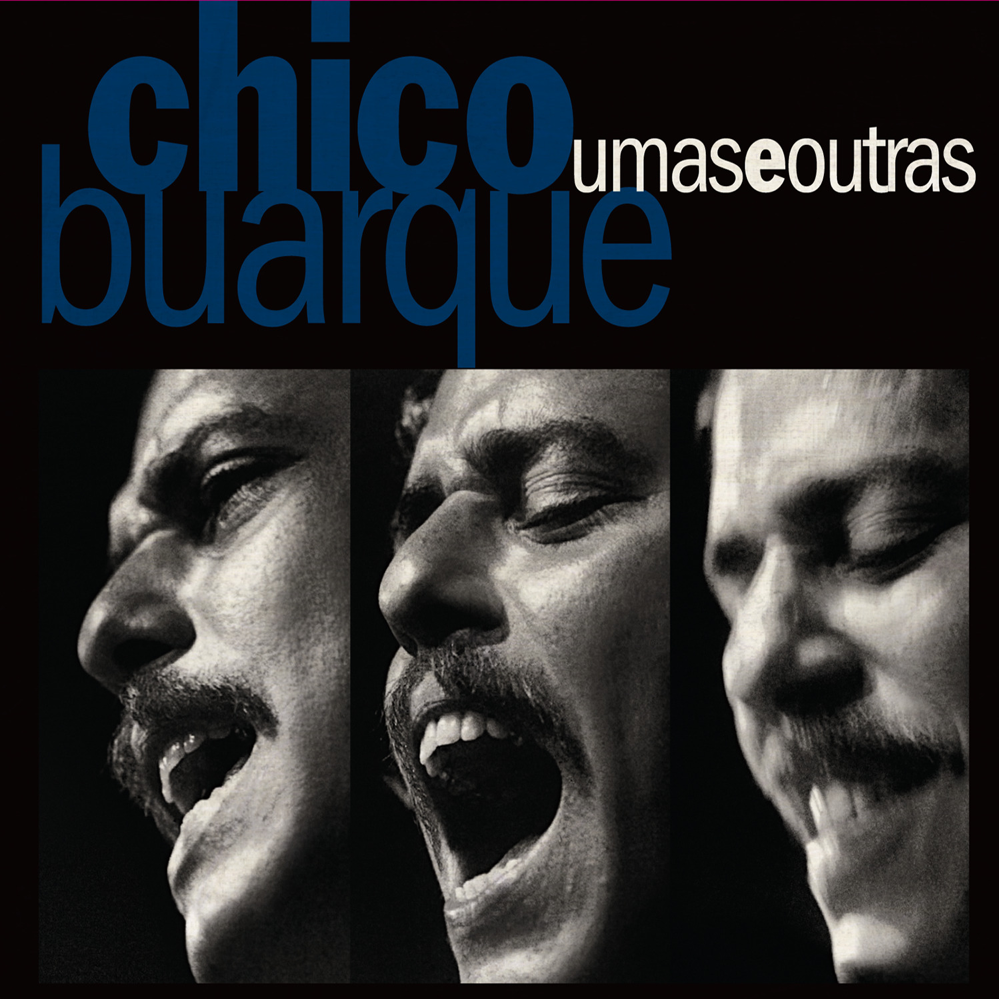
 View Artist