Song Meaning
The lyrics open with a stark, repeated command: "Ilusão, Ilusão. Veja as coisas como elas são." This sets a tone of confronting deceptive appearances, urging a clear-eyed view of reality. The subsequent listing of figures like "A carroça, A dama, O louco, O trunfo" strongly suggests a tarot card reading, a system often used for divination and self-reflection, hinting at a narrative of fate and archetypal forces at play.
The central tension appears to be the struggle between illusion and truth, particularly as it relates to self-perception and future prospects. Figures like "O enforcado" (The Hanged Man) and the repeated image of being "Desfigurado" (disfigured) in a mirror suggest a distorted self-image or a difficult, perhaps sacrificial, period of introspection. The contrast between "O sim, O não" and the chaotic "Embaralhado" (shuffled) future points to uncertainty and the difficulty of discerning clear paths.
The most striking craft element is the relentless, almost incantatory, listing of tarot archetypes, creating a dense, symbolic landscape. The repetition of "A dançarina, o encantado" and "O encarnado numa cortina" builds a sense of ethereal, perhaps fleeting, moments or characters. The mirror motif, appearing with "O cavaleiro / No seu espelho / Desfigurado" and "Do outro lado do seu espelho," powerfully visualizes the disconnect between the external self and internal reality, or a warped perception of oneself.
These lyrics resonate because they tap into a universal human experience: the feeling of being lost in a confusing reality, grappling with self-deception, and facing an uncertain future. The tarot imagery provides a structured yet mysterious framework for these internal struggles, making the abstract emotional landscape feel tangible and compelling. The insistent call to "Veja as coisas como elas são" acts as an anchor, offering a path toward clarity amidst the symbolic chaos.
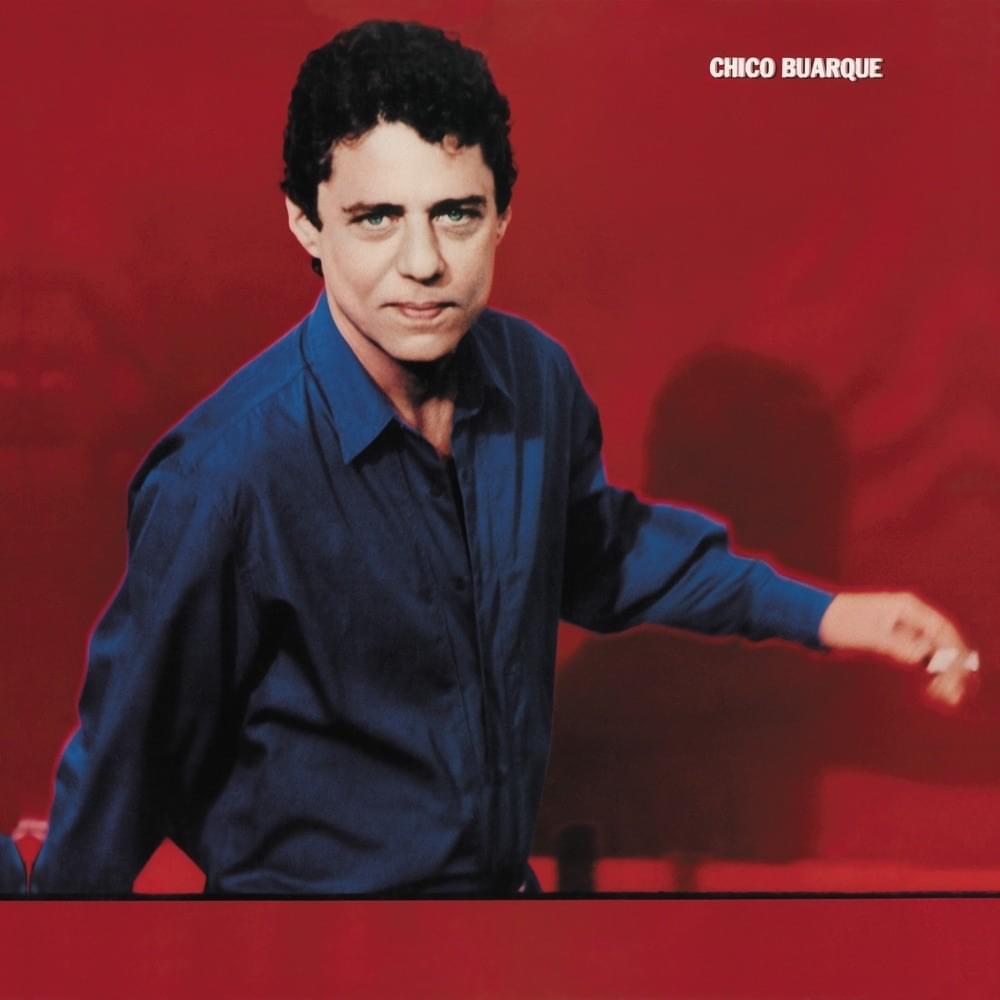
 View Artist